 Bullish Portfolio

Why Asia-Pacific REITs Offer Strong Passive Income Potential in 2026
Asia-Pacific real estate investment trusts continue to attract income-focused investors seeking diversification beyond domestic markets. With robust economic growth in key economies and rising demand across logistics, data centers, and retail sub-sectors, these vehicles provide attractive dividend streams. US investors benefit from exposure to regional expansion while navigating currency fluctuations and regulatory environments. The appeal stems from structural tailwinds including e-commerce growth and digital infrastructure needs. As of late 2026, occupancy rates in prime logistics assets remain elevated, supporting stable distributions. Investors often turn to these REITs for yields that can complement US Treasury or domestic equity income, especially when domestic fixed-income returns appear compressed. Regional governments have also implemented policies favoring infrastructure development, which indirectly boosts property values and rental incomes for quality REIT portfolios.
Economic Backdrop Supporting APAC REITs
Broader macroeconomic conditions in the Asia-Pacific region create a favorable environment. Strong GDP growth projections from major economies like India, Vietnam, and Indonesia support consumption and industrial activity. Supply chain diversification away from single-country reliance has accelerated demand for modern warehousing and logistics facilities. At the same time, the digital transformation across businesses fuels need for advanced data centers. Retail properties are evolving with hybrid models that combine physical stores and online fulfillment. These trends are not short-term; they reflect multi-year shifts that REIT managers are actively capitalizing on through acquisitions and development pipelines. US investors should also note that many APAC REITs maintain conservative leverage compared to some Western peers, which can reduce downside risk during periods of rising interest rates.
Key Sub-Sectors Driving Performance
Logistics REITs
Industrial and logistics properties benefit from supply chain resilience and online retail expansion. Occupancy trends show sustained high levels across Singapore and Japan hubs, with many assets achieving near-full utilization. For example, facilities located near major ports or airports often command premium rents due to last-mile delivery requirements. Investors can examine lease expiry schedules to gauge future income stability, as staggered renewals help mitigate vacancy risk.
Data Center REITs
Explosive AI and cloud computing demand fuels this segment. Facilities in Australia and Malaysia report strong leasing activity, with hyperscale tenants signing long-term contracts that provide visibility into future cash flows. Power availability and connectivity remain critical success factors, and top REITs are investing in renewable energy sources to meet tenant sustainability goals.
Retail REITs
Modern retail assets with experiential offerings demonstrate recovery and resilience in urban centers throughout the region. Properties that incorporate entertainment, dining, and essential services tend to outperform traditional malls. Footfall data and tenant sales metrics serve as useful leading indicators for distribution growth potential.
Top Dividend Picks for 2026
Here are seven standout Asia-Pacific REITs across sub-sectors, selected for dividend sustainability and growth prospects. Each offers distinct exposure while aligning with 2026 themes.
- Mapletree Logistics Trust (Singapore) – Focuses on modern warehouses with regional footprint and a history of accretive acquisitions that support distribution growth.
- ESR REIT (Singapore) – Industrial assets with data center adjacency potential, benefiting from e-commerce and technology tenant demand.
- Digital Core REIT (Singapore) – Pure-play data centers with global hyperscale tenants and long-duration leases that enhance income predictability.
- Scentre Group (Australia) – Premium retail destinations emphasizing omnichannel integration and strong anchor tenants such as supermarkets.
- Japan Metropolitan Fund (Japan) – Diversified urban properties including retail and offices in high-density areas with stable domestic demand.
- Frasers Logistics & Commercial Trust (Singapore/Australia) – Cross-border logistics and commercial mix providing geographic diversification within a single vehicle.
- Sunway REIT (Malaysia) – Retail and hospitality assets in high-growth corridors, capitalizing on tourism recovery and local consumption trends.
2026 yield forecasts point to competitive distributions supported by occupancy rates above 95% in core holdings for many of these names. Currency considerations for US investors include hedging strategies against SGD, AUD, and JPY movements to preserve income. Some REITs offer USD-denominated distributions or access to currency-hedged share classes that can simplify tax reporting and reduce volatility.
Occupancy Trends and Market Dynamics
Recent data indicates logistics vacancy rates below 5% in Singapore and Tokyo as of November 2026. Data centers face supply constraints that favor existing owners, particularly those with expansion land banks. Retail recovery varies by location, with strong footfall in Australia driven by population growth in key cities. Investors should review quarterly operational updates for early signs of rental growth or lease renewals at higher rates. These metrics directly influence distribution per unit and total returns over time.
Selection Checklist for US Investors
Use this practical checklist when evaluating Asia-Pacific REITs. Each criterion helps identify sustainable income producers rather than high-yield traps.
- Payout ratio under 85% to ensure distribution sustainability. Lower ratios leave room for reinvestment or unexpected expenses without cutting dividends.
- Debt-to-asset ratio below 40% for balance sheet strength. Conservative gearing provides flexibility during economic slowdowns or interest rate spikes.
- Positive rental reversion trends in latest reports. This indicates tenants are renewing at higher rates, supporting organic income growth.
- Clear hedging policy for foreign currency exposure. Effective hedging reduces the impact of exchange rate swings on US-dollar returns.
- Track record of consistent distributions over five years. Longevity demonstrates management discipline across market cycles.
- Alignment with sub-sector tailwinds like digital infrastructure. REITs positioned in growing segments are more likely to deliver above-average total returns.
Applying this checklist systematically helps narrow choices and build conviction before committing capital.
Sample Diversified Portfolio Allocation
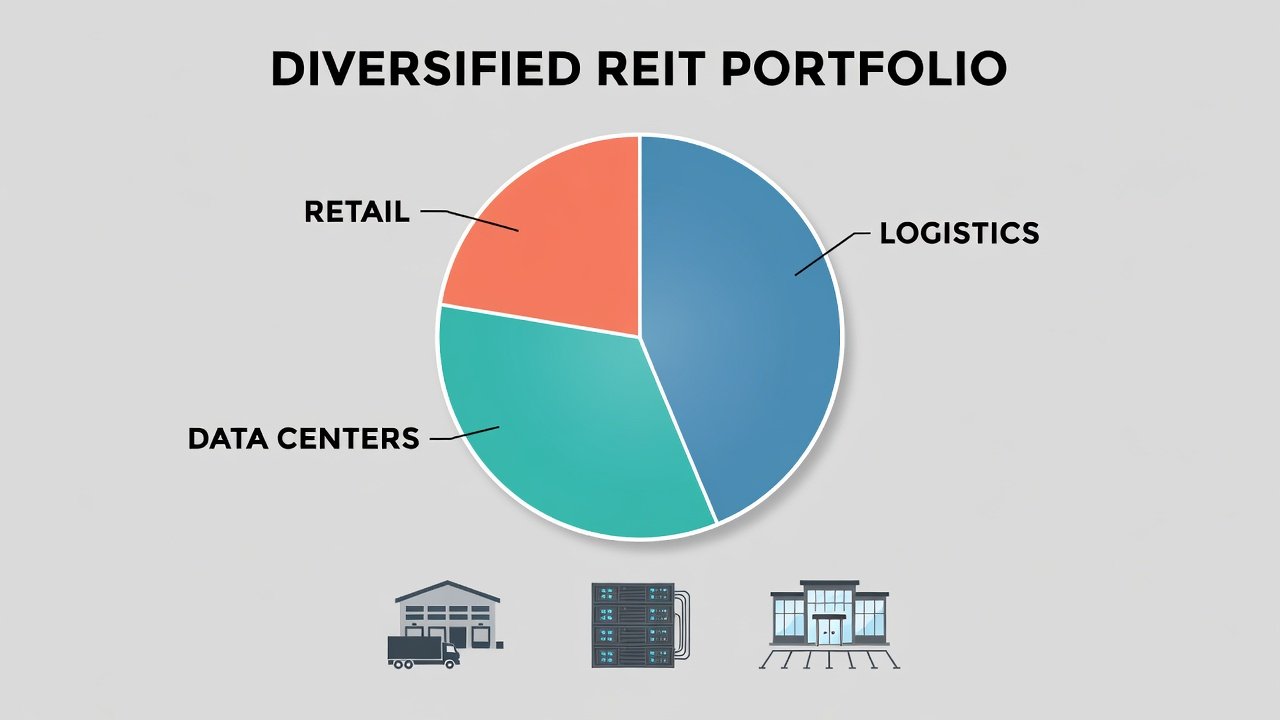
A balanced approach for a $100,000 allocation might include 30% logistics REITs such as Mapletree Logistics Trust and ESR REIT for industrial exposure, 25% data centers like Digital Core REIT to capture technology demand, 20% retail via Scentre Group for consumer-facing income, 15% Japan-focused holdings through Japan Metropolitan Fund for developed-market stability, and 10% cash buffer for opportunistic additions or currency management. Rebalance annually to maintain exposure amid market shifts. This allocation spreads risk across sub-sectors and countries while targeting a blend of growth and current income. Investors can adjust percentages based on personal risk tolerance and existing portfolio holdings.
Practical Steps for Getting Started
Begin by opening a brokerage account that supports international trading and provides access to APAC exchanges. Review the latest annual and interim reports for each shortlisted REIT, paying close attention to the manager’s commentary on outlook. Consider dollar-cost averaging purchases over several months to mitigate timing risk. Monitor macroeconomic indicators such as regional inflation and central bank policies, which can influence both property values and currency movements. Finally, maintain detailed records for tax purposes, especially regarding foreign tax credits.
FAQs on Tax Withholding and Geopolitical Risks
How does tax withholding affect US investors in Asia-Pacific REITs?
Many jurisdictions impose 10-30% withholding on dividends. US investors can often claim foreign tax credits on their returns to avoid double taxation. Consult IRS Publication 514 for details and consider tax-advantaged accounts such as IRAs where possible. Some REITs structure distributions to minimize withholding through specific entity types.
What geopolitical risks should investors monitor?
Tensions in the South China Sea or trade policy shifts between major economies can impact sentiment. Diversification across multiple countries mitigates single-market exposure. Monitor updates from sources like the International Monetary Fund and the World Bank for regional economic assessments.
Are there additional regulatory risks?
Changes in foreign ownership rules or property tax policies can affect REIT performance. Staying informed through official exchange filings and reputable financial news helps anticipate impacts.
How volatile are currency movements for US investors?
Exchange rates can significantly affect total returns. Implementing a hedging overlay or selecting REITs with natural USD revenue streams can help stabilize income.
Conclusion
Asia-Pacific REITs present compelling opportunities for 2026 passive income when selected with discipline. Focus on strong fundamentals, apply the checklist, and diversify thoughtfully to navigate currency and geopolitical factors effectively. Always review latest filings and consult advisors before investing. With careful selection and ongoing monitoring, these assets can form a valuable component of a broader income-oriented portfolio.
No comments yet. Be the first!