 Bullish Portfolio

Introduction to ESG and Active Value Investing in 2026
As markets evolve amid regulatory changes and shifting investor priorities, integrating environmental, social, and governance (ESG) factors into active value investing has become essential. This approach identifies undervalued stocks while promoting sustainability, targeting ethical yet profitable outcomes. Active managers screen for ESG strengths without compromising returns, adapting to 2026 market shifts like heightened climate disclosure rules and evolving stakeholder expectations around corporate responsibility.
Value investing traditionally focuses on buying securities trading below intrinsic value. Adding ESG layers enhances long-term resilience by avoiding companies with hidden risks such as environmental liabilities or poor labor practices. In the current environment, investors increasingly demand strategies that deliver both financial returns and positive societal impact, making ESG integration a competitive advantage rather than an optional overlay.
Understanding 2026 Market Shifts Impacting Value Strategies
Market dynamics in 2026 feature increased regulatory scrutiny on sustainability reporting and greater availability of standardized ESG data. These shifts create opportunities for active managers who can identify companies undervalued due to temporary perception gaps around their ESG profiles. For example, firms investing heavily in transition technologies may appear expensive on traditional metrics but offer substantial upside once ESG improvements are recognized by the broader market.
Core ESG Metrics Relevant to Undervalued Stocks
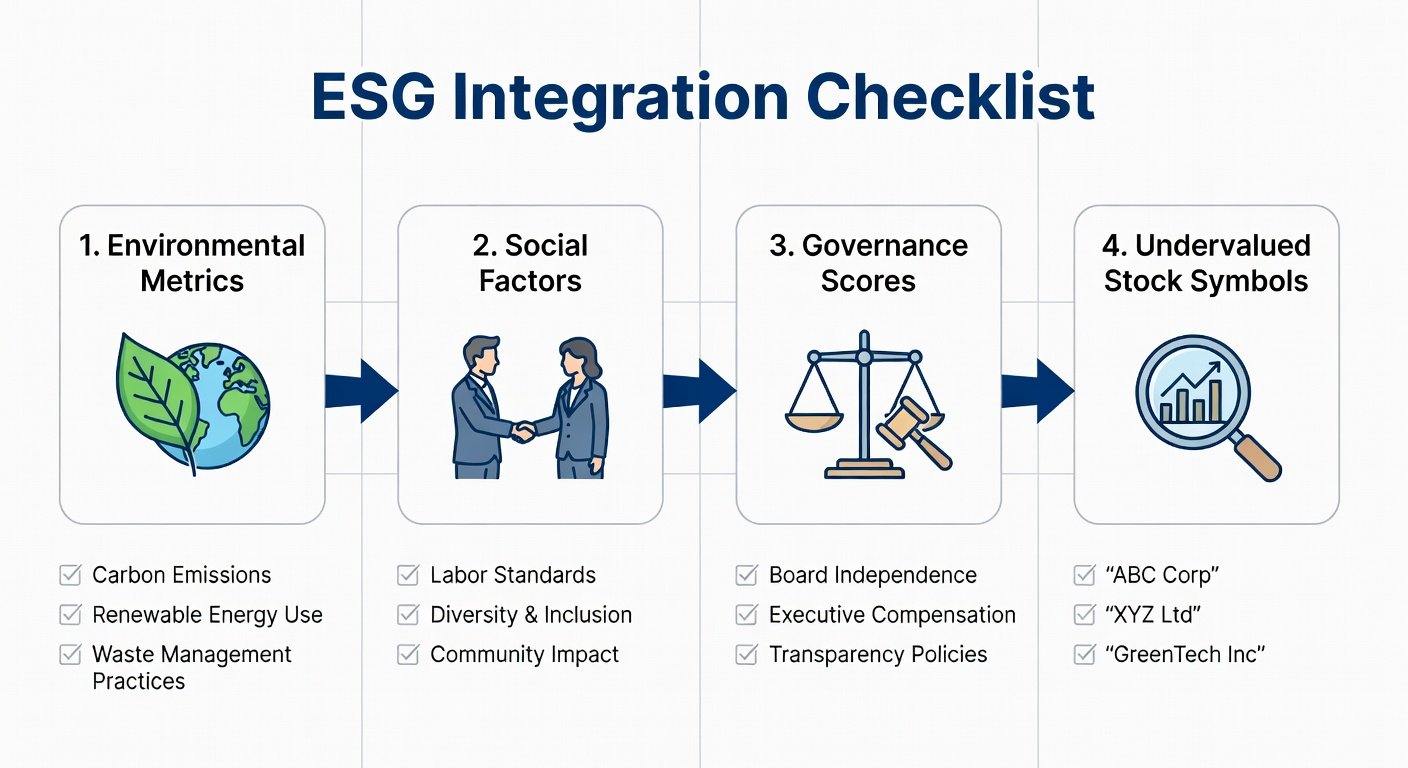
Investors must prioritize measurable ESG metrics that align with value opportunities. Key environmental indicators include carbon intensity measured in tons of CO2 equivalent per million dollars of revenue, water usage efficiency relative to industry peers, and waste reduction targets. Social metrics cover employee diversity ratios, turnover rates, supply chain labor standards, and community engagement scores. Governance focuses on board independence percentages, executive compensation alignment with long-term performance, shareholder rights provisions, and audit committee effectiveness.
These metrics help uncover stocks undervalued due to temporary ESG oversights rather than fundamental weaknesses. For instance, a manufacturing firm with improving emissions data may trade at a discount until the market recognizes its progress toward net-zero goals. Similarly, companies with strong governance reforms following past controversies often present attractive entry points for value-oriented investors.
Step-by-Step Methods for ESG Integration
Active managers can follow a structured process to embed ESG without sacrificing value discipline. Begin by defining the investment universe using traditional value screens such as low price-to-earnings ratios, high free cash flow yields, and asset-backed balance sheets. Next, apply ESG data overlays from reputable providers to flag both risks and opportunities, creating a refined shortlist.
Conduct qualitative assessments during company visits, earnings calls, or management meetings to verify quantitative scores and uncover nuances not captured in public data. Adjust valuation models to incorporate ESG-related cash flow impacts, such as potential regulatory fines, cost savings from efficiency improvements, or revenue growth from sustainable product lines. Finally, monitor ongoing ESG performance through regular portfolio reviews and engagement activities.
- Define investment universe using traditional value screens like low price-to-earnings ratios and strong balance sheet metrics.
- Apply ESG data overlays from reputable providers to flag risks and opportunities within the value universe.
- Conduct qualitative assessments during company visits or earnings calls to verify quantitative scores and gather forward-looking insights.
- Adjust valuation models to incorporate ESG-related cash flow impacts such as regulatory costs or efficiency gains.
- Monitor ongoing ESG performance through regular portfolio reviews and active engagement with company leadership.
This method ensures ESG acts as a filter rather than a constraint, preserving the core goal of margin of safety while enhancing portfolio quality.
Real-World Case Studies of ESG-Value Hybrids
Several funds have demonstrated success with this blended approach. One European value strategy incorporated governance improvements at industrial firms recovering from past scandals, yielding outperformance during periods of market volatility by avoiding further drawdowns. Another U.S.-focused approach targeted energy transition stocks with strong balance sheets and improving environmental metrics, balancing clear undervaluation signals with forward-looking sustainability factors.
These examples highlight how ESG integration identifies mispricings driven by short-term sentiment around sustainability issues. Managers who combined traditional discounted cash flow analysis with ESG momentum indicators achieved superior risk-adjusted returns compared to pure value benchmarks in recent cycles.
Performance Comparisons Versus Traditional Approaches
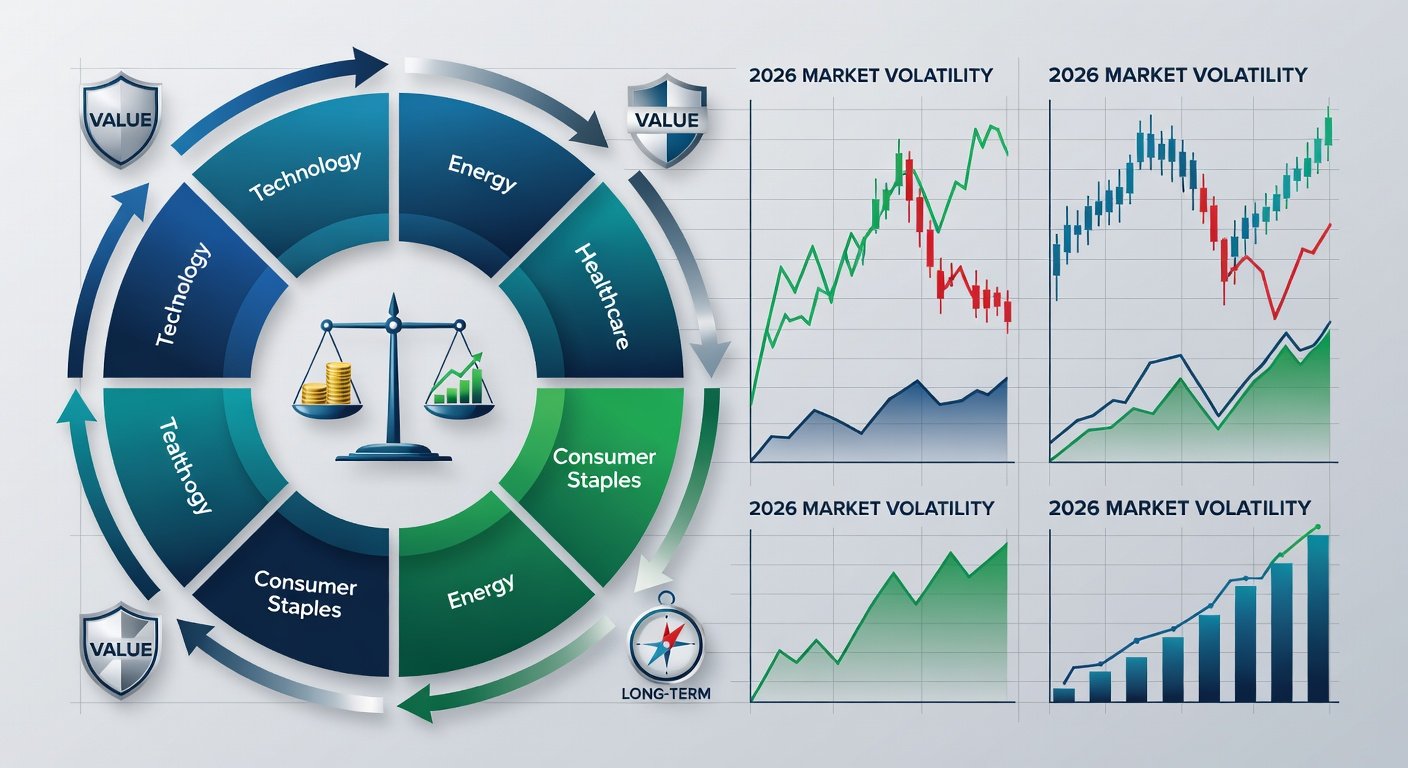
Analyses from leading institutions show ESG-enhanced value portfolios often match or exceed traditional ones over multi-year horizons. The addition of ESG screens reduces downside volatility by avoiding companies with governance failures or unaddressed environmental liabilities. In 2026 environments with rising sustainability mandates, this edge becomes more pronounced as traditional strategies face higher compliance costs and potential stranded asset risks.
Comparative reviews indicate that while short-term periods may show similar gross returns, the ESG-integrated versions deliver better net performance after accounting for lower turnover and reduced litigation exposure.
Risk Mitigation Tactics
Common risks include data inconsistencies across providers and greenwashing concerns where companies overstate sustainability efforts. Mitigate these by cross-verifying ESG scores with multiple sources, engaging directly with company management on material issues, and prioritizing forward-looking indicators over static snapshots. Diversification across sectors further reduces concentration in high-ESG-scoring but expensive names that may no longer offer value margins.
Additional tactics involve stress-testing portfolios against various ESG scenarios, such as accelerated carbon pricing or supply chain disruptions, and maintaining clear sell disciplines tied to both valuation and ESG deterioration signals.
Investor Checklists and Portfolio Examples
Use this detailed checklist for ESG-value screening to ensure thorough evaluation:
- Confirm positive or improving ESG trajectory over the past three years using consistent data sources.
- Ensure valuation discount exceeds 20% relative to peers after adjusting for ESG factors.
- Assess sector-specific material issues such as emissions for energy firms or data privacy for technology companies.
- Review proxy voting records and board composition for governance quality indicators.
- Evaluate management incentives aligned with long-term sustainability targets alongside financial performance.
Sample portfolios might allocate across consumer staples with ethical sourcing practices and stable cash flows, technology firms demonstrating diverse leadership and innovation in green solutions, and utilities advancing renewable transitions while maintaining attractive dividend yields and asset coverage.
FAQ on Common Concerns
How to avoid greenwashing in value strategies?
Focus on verified data trends and third-party audits rather than self-reported claims. Resources from UN PRI provide standardized reporting frameworks that help distinguish genuine progress from marketing claims.
Is ESG data reliable enough for active decisions?
While challenges exist around standardization, combining quantitative scores with fundamental analysis and direct engagement improves reliability. Organizations like the OECD offer guidelines on enhancing data quality and comparability across regions.
Does ESG integration lower returns?
Evidence indicates no systematic underperformance when applied thoughtfully within value frameworks. Many hybrids deliver competitive or superior results, particularly when ESG factors reveal overlooked risks or catalysts.
What role does active engagement play in this strategy?
Active ownership through dialogue and proxy voting can accelerate ESG improvements at portfolio companies, potentially unlocking additional value by addressing identified weaknesses over time.
Conclusion
Blending ESG with active value investing positions portfolios for 2026 and beyond by combining ethical considerations with proven profitability. Investors who master these integration techniques can achieve sustainable alpha while navigating evolving market dynamics and regulatory landscapes.

No comments yet. Be the first!