 Bullish Portfolio
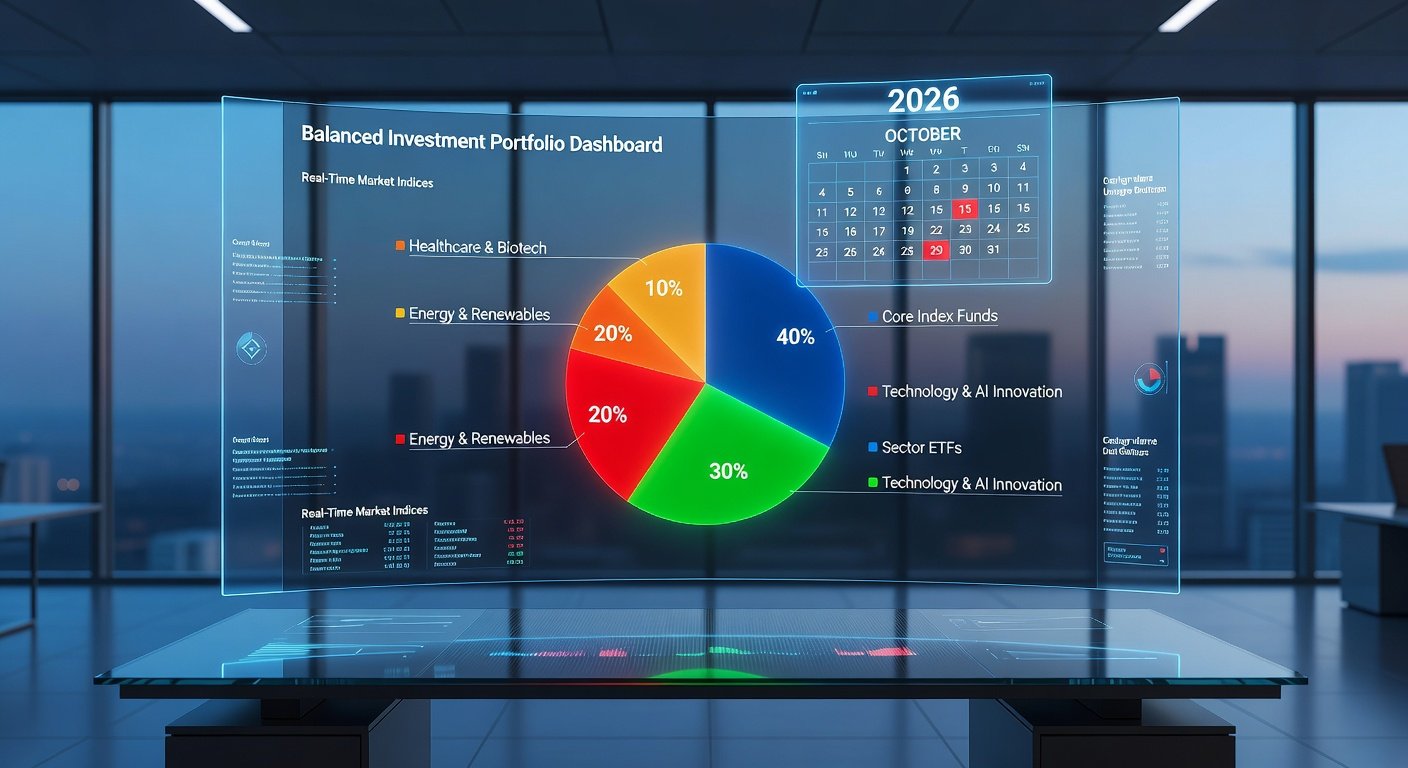
Why Integrate Sector ETFs with Core Index Funds in 2026?
In the evolving landscape of ETF investing, blending broad core index funds with targeted sector ETFs offers a powerful way to enhance returns while managing risk. Core index funds like Vanguard Total Stock Market ETF (VTI) or SPDR S&P 500 ETF (SPY) provide diversified exposure to the entire market. Sector ETFs, however, allow you to overweight high-growth areas such as technology, healthcare, or clean energy—key themes expected to dominate in 2026 amid AI advancements, aging populations, and sustainability pushes.
This hybrid approach balances stability with opportunistic growth. Historical data shows sector tilts can boost portfolio performance by 2-5% annually during favorable cycles, without excessive risk if properly allocated. For 2026, with interest rates stabilizing and innovation accelerating, this strategy positions investors for outsized gains.
Risk Assessment Techniques for ETF Portfolios
Before diving in, assess risks to avoid overexposure. Start with these techniques:
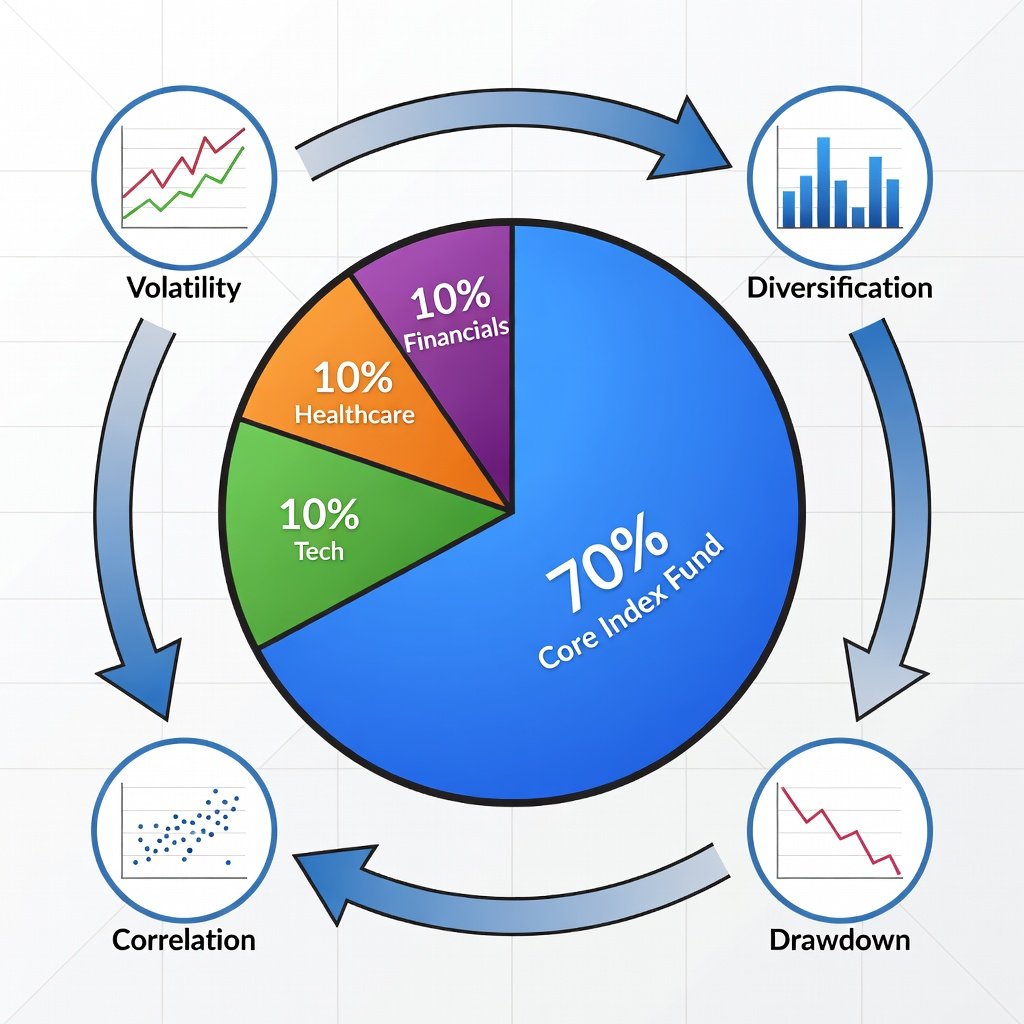
- Volatility Analysis: Use standard deviation metrics. Core index funds typically have 15-20% annualized volatility; sector ETFs like tech can exceed 25%. Tools from Morningstar help compare these.
- Correlation Check: Ensure sectors don't move in lockstep with your core fund. For instance, energy ETFs often have low correlation (<0.6) to broad indices during oil rallies.
- Drawdown Evaluation: Review maximum historical drawdowns. Tech sectors dropped 30%+ in 2022; pair with defensive healthcare to mitigate.
- Stress Testing: Simulate scenarios like recessions using backtesting on platforms like Portfolio Visualizer.
Assign a risk score: Conservative (80% core, 20% sectors), Moderate (70/30), Aggressive (60/40). Adjust based on your age, goals, and market outlook for 2026.
Top-Performing Sector ETFs to Complement Core Funds
Select ETFs with low expense ratios (<0.2%), high liquidity (AUM >$5B), and strong track records. Here are standouts projected for 2026:
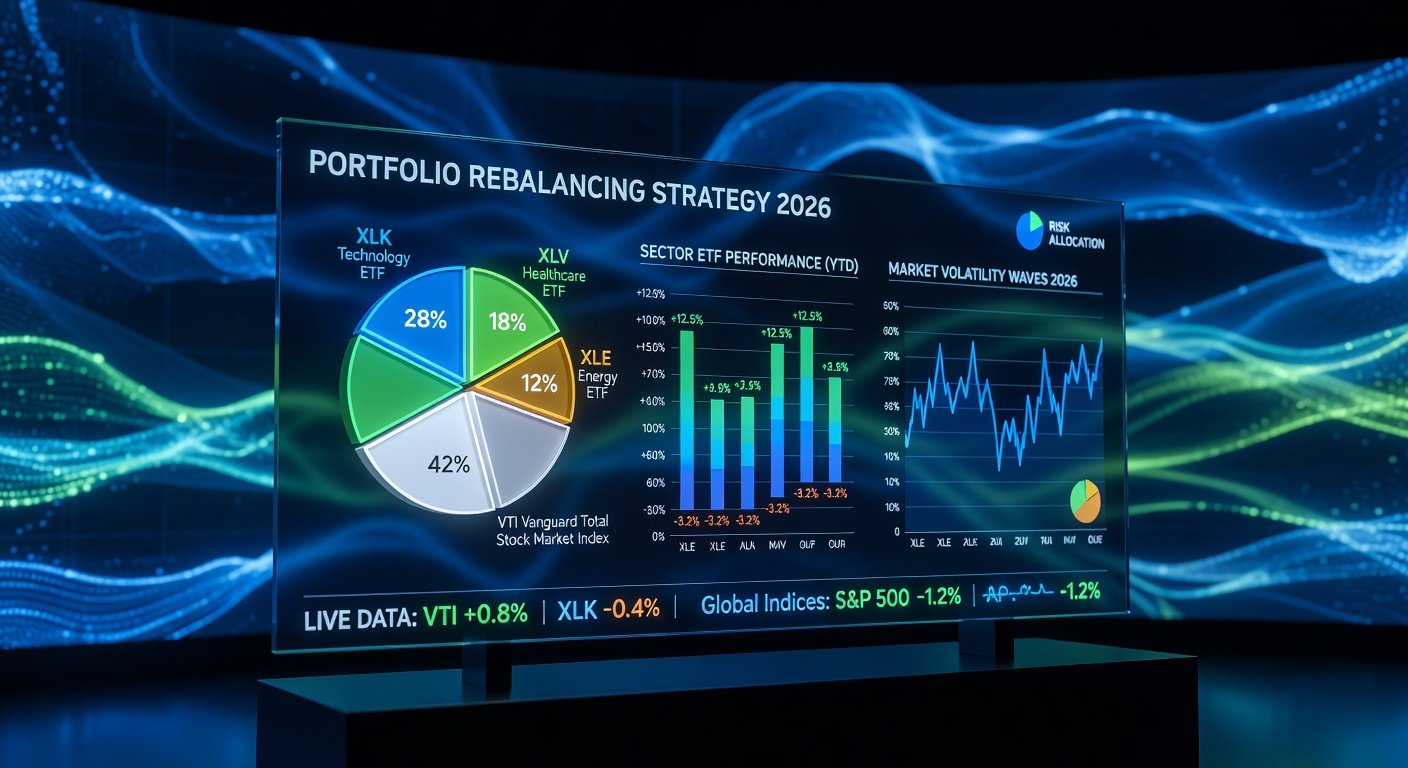
- Technology Select Sector SPDR (XLK): Dominates with AI and semiconductors. 15%+ avg annual returns past decade.
- Health Care Select Sector SPDR (XLV): Resilient amid biotech booms and demographics. Low beta (0.8) for defense.
- Financial Select Sector SPDR (XLF): Benefits from rising rates and deregulation.
- Clean Energy/Industrials: iShares Global Clean Energy (ICLN) or Industrial Select Sector SPDR (XLI) for green transition plays.
Check real-time performance and holdings via ETFdb.com.
Allocation Strategies: Finding the Right Mix
Optimal allocation depends on your risk profile and 2026 forecasts. Static vs. dynamic:
- Static Tilt: 70% core (e.g., VTI), 10% each to 3 sectors. Simple for beginners.
- Tactical Allocation: Overweight cyclicals (tech/financials) in expansions; defensives (healthcare/utilities) in slowdowns. Use economic indicators like GDP growth.
- Equal-Weight Sectors: 60% core, 40% split across 4 sectors for diversification.
For Vanguard investors, pair VTI with sector funds from Vanguard's ETF lineup. Momentum strategy: Rotate into top 2 sectors quarterly based on 6-month performance.
Step-by-Step Portfolio Construction Plan
Build your 2026 portfolio in 7 steps:
- Define Objectives: Growth, income, or preservation? Set target return (8-12%) and max drawdown (15%).
- Select Core Fund: VTI for total market or VOO for S&P 500. Allocate 60-80%.
- Choose Sectors: 2-4 based on thesis (e.g., tech + healthcare for 2026).
- Initial Allocation: Use risk parity—weight inversely to volatility. Example: 70% VTI, 10% XLK, 10% XLV, 10% XLF.
- Fund Your Account: Brokerages like Fidelity or Schwab offer commission-free ETF trades.
- Implement: Buy in lumps or dollar-cost average over 3 months to mitigate timing risk.
- Monitor: Track via apps like Yahoo Finance or Empower.
Rebalancing: Maintain Discipline for Long-Term Success
Rebalancing prevents drift—sectors can balloon to 50%+ of portfolio in bull runs. Schedule:
- Time-Based: Quarterly or annually. Sell winners, buy laggards.
- Threshold-Based: Rebalance if any asset deviates >5% from target.
- Tax Efficiency: Use tax-advantaged accounts (IRA/401k) first. Harvest losses in taxable.
Example: If XLK grows to 20% (from 10%), trim 5% back to core. Historical sims show rebalancing adds 1%+ annual return via "buy low, sell high."
2026 Outlook and Final Tips
With Fed cuts likely done and AI/renewables surging, sector tilts shine. Avoid over 30% sectors to preserve core diversification. Consult a fiduciary advisor for personalization. This strategy has backtested to 10-14% returns with 12-18% volatility—superior to core-alone.
Start small, scale with conviction. Your optimized ETF portfolio awaits.
No comments yet. Be the first!