 Bullish Portfolio
Introduction: The Intersection of Wearable Technology and Senior Care in 2026
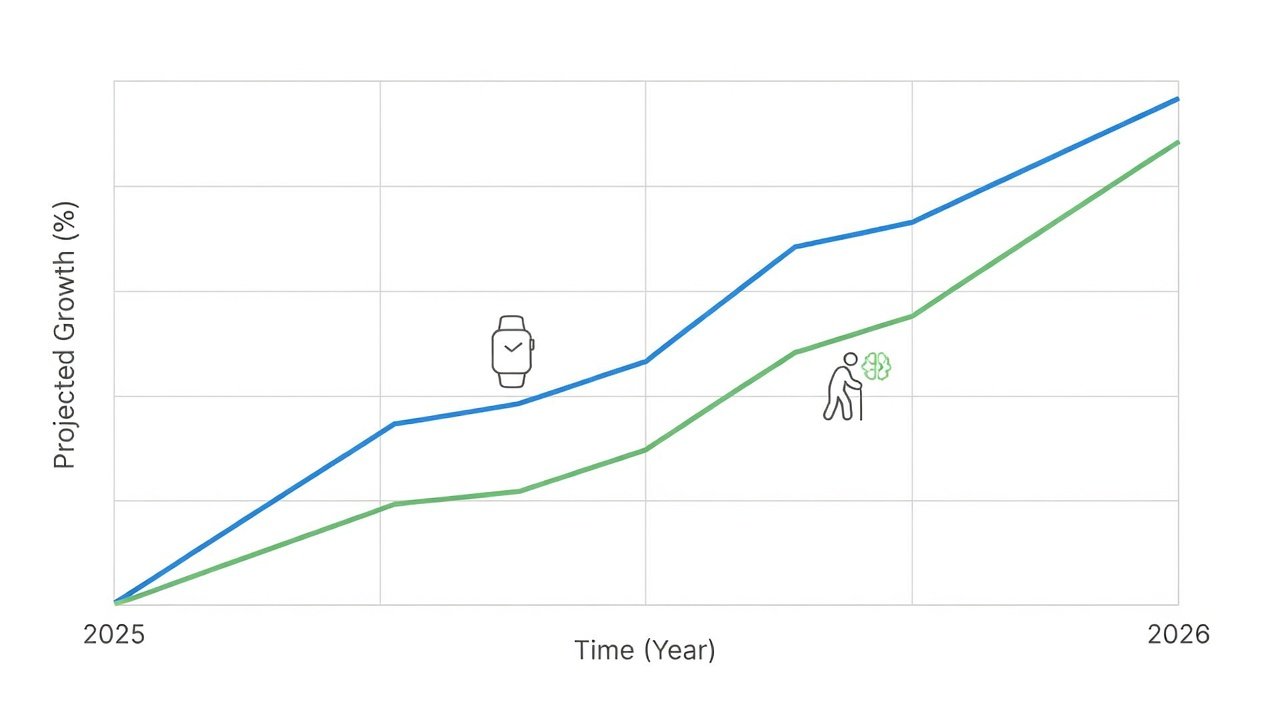
The global population is aging rapidly, creating unprecedented demand for innovative solutions in health monitoring and senior care. Investors are increasingly eyeing wearable tech and AI-driven senior care stocks as bullish opportunities for 2026. This article explores how demographics, regulatory shifts, and technological convergence are shaping these sectors, providing company profiles, risk factors, and a practical investor framework. Beyond surface-level trends, understanding the underlying drivers helps investors make informed decisions in a market where technology meets healthcare needs directly.
Aging Populations Fueling Demand in Both Sectors
Demographic trends show that by 2030, one in six people worldwide will be aged 60 or older, according to the World Health Organization. This shift drives demand for wearable devices that track vital signs and AI solutions that enable remote senior care. World Health Organization data highlights how chronic conditions in older adults create markets for continuous monitoring technologies. Wearables like smartwatches integrate heart rate and fall detection, while senior care platforms use AI for predictive analytics in assisted living. In the United States alone, the Census Bureau projects the 65-and-older population will nearly double by 2060, amplifying opportunities for companies that bridge wearable sensors with AI-driven interventions. Real-world examples include family caregivers using integrated apps to monitor medication adherence, reducing emergency visits. These trends position both sectors for sustained expansion as healthcare systems prioritize prevention over reactive treatment.
Wearable Tech Stocks: Key Players and Convergence with Health Monitoring
Wearable technology has evolved from fitness trackers to medical-grade devices. Companies like Apple and Garmin lead in integrating health features such as ECG monitoring and blood oxygen levels. Tech convergence allows these devices to connect with AI platforms for real-time senior alerts. Real-world examples include partnerships with healthcare providers to reduce hospital readmissions through proactive data sharing. Investors benefit from understanding how these devices now incorporate machine learning algorithms that detect irregular patterns indicative of conditions like atrial fibrillation or early cognitive decline.
Company Profiles in Wearable Tech
- Apple: Focuses on seamless integration of health data into its ecosystem, appealing to tech-savvy seniors with features that sync directly to family members or physicians.
- Fitbit (Google): Emphasizes community features and long-term activity tracking for preventive care, often used in clinical studies for chronic disease management.
- Other innovators: Smaller firms developing specialized sensors for chronic disease management, such as continuous glucose monitors adapted for elderly users with diabetes.
Valuation metrics often favor established players with strong balance sheets, though growth depends on regulatory approvals for medical claims. Practical examples show how these companies expand into senior-specific accessories like easy-to-wear bands with larger interfaces.
AI-Driven Senior Care Stocks: Profiles and Market Dynamics
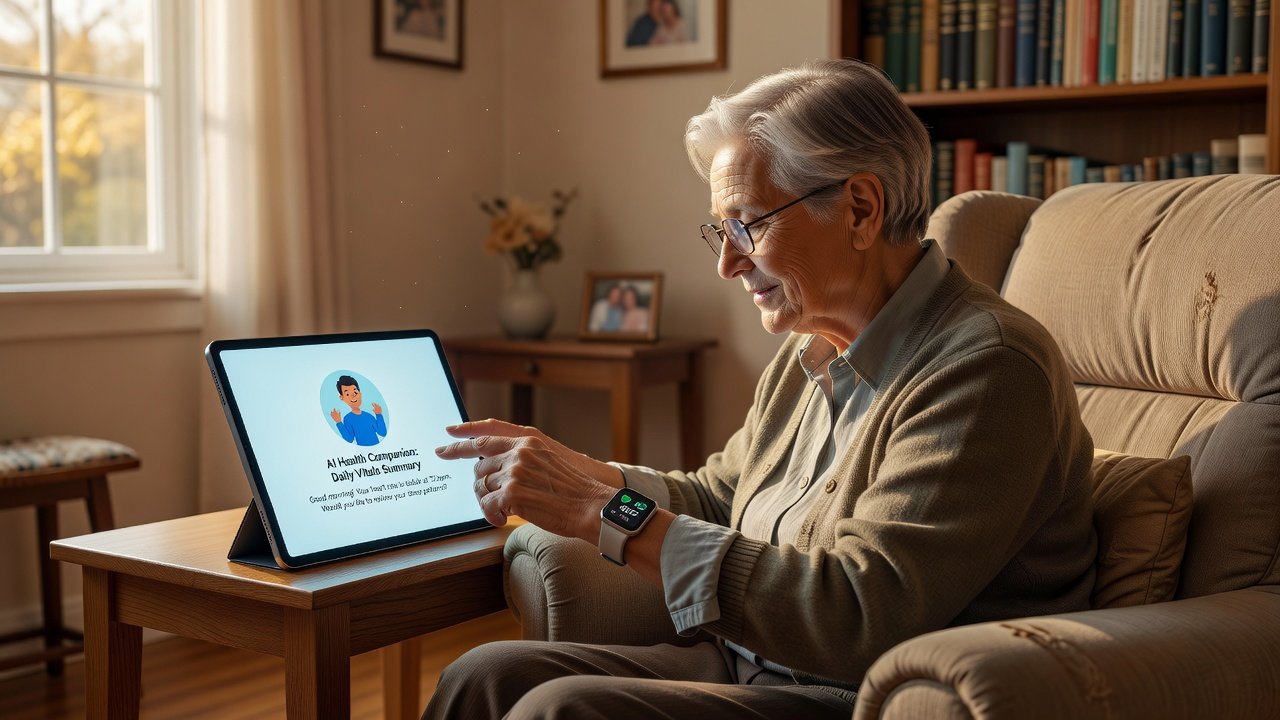
Senior care stocks leverage AI for personalized care plans, medication reminders, and virtual companionship. Firms in this space benefit from regulatory tailwinds like expanded Medicare telehealth coverage. Examples include platforms that analyze sensor data from wearables to predict health declines in elderly users. This convergence creates hybrid opportunities where a wearable alert triggers an AI care response, such as automated nurse check-ins or family notifications.
Valuation and Growth Potential
These stocks may trade at premiums due to high-growth AI capabilities, balanced against operational risks in scaling care services. Market dynamics favor firms with robust data privacy measures, as seniors and regulators demand high standards for handling sensitive health information.
Regulatory Shifts Impacting Both Sectors
Regulatory changes, including FDA guidelines on digital health devices and data privacy laws, influence market entry. U.S. Food and Drug Administration approvals can accelerate adoption of wearable health features. In senior care, evolving reimbursement policies encourage AI integration to lower costs and improve outcomes. Additional oversight from bodies like the National Institutes of Health supports research into ethical AI use in eldercare, ensuring technologies address equity issues across diverse populations. Investors should track proposed legislation that could expand coverage for remote monitoring, potentially boosting revenues for compliant companies.
Risk Factors and Real-World Examples
Key risks include data security breaches, high R&D costs, and adoption barriers among seniors. For instance, wearable accuracy issues in diverse populations have led to product recalls. Market volatility from interest rates can affect valuations in both sectors. Investors should monitor competition from big tech entrants. Real-world cases demonstrate how privacy incidents have temporarily slowed adoption, while supply chain disruptions affect hardware availability for wearables. In senior care, staffing shortages can limit AI platform effectiveness if human oversight remains essential.
Step-by-Step Investor Selection Framework
- Assess demographic alignment: Prioritize companies targeting aging markets by reviewing their product pipelines for senior-focused features.
- Evaluate tech convergence: Look for integration between wearables and AI care platforms, such as partnerships that enable seamless data flow.
- Review regulatory compliance: Check approval status and policy adaptability through company filings and recent announcements.
- Analyze financials: Focus on revenue growth and debt levels without specific metrics, emphasizing sustainable business models.
- Consider diversification: Balance exposure across both sectors to mitigate concentration risks.
- Monitor forecasts: Use industry reports for 2026 projections, incorporating qualitative assessments of innovation pace.
- Conduct scenario planning: Test portfolios against potential regulatory delays or tech adoption slowdowns.
Market Forecasts for 2026
Analysts anticipate sustained growth in these areas due to tech advancements and policy support. Centers for Disease Control and Prevention insights on chronic disease management underscore opportunities for monitoring solutions. Broader economic factors, such as increased healthcare spending, further support optimistic outlooks, though investors must remain vigilant about global supply issues affecting device production.
Conclusion
Wearable tech and senior care stocks present compelling 2026 opportunities driven by demographics and innovation. A disciplined approach helps navigate risks while capitalizing on convergence trends. By applying the outlined framework, investors can position portfolios effectively for long-term growth in these interconnected fields.
FAQs on Portfolio Allocation for Beginners
How much should beginners allocate to these stocks?
Start with 5-10% of a diversified portfolio, adjusting based on risk tolerance and research into individual company fundamentals.
What role does diversification play?
Spreading investments across wearable and senior care reduces sector-specific risks while capturing complementary growth from tech and healthcare convergence.
Are there beginner-friendly entry points?
Consider established companies with clear health monitoring strategies over speculative startups to minimize volatility exposure.
How do regulatory changes affect timing?
Monitor policy updates closely, as approvals can create short-term catalysts but delays may require patience in allocation decisions.
Should beginners consult professionals?
Yes, especially when evaluating complex intersections of technology and healthcare regulations for personalized advice.

No comments yet. Be the first!