 Bullish Portfolio

Introduction to Robotics as a Bullish Investment Theme for 2026
The robotics sector stands out as a high-potential area for investors seeking growth in 2026. Rising demand for automation, driven by persistent labor shortages and rapid AI advancements, positions robotics companies for significant expansion. This guide explores key market drivers, profiles promising firms, examines valuation approaches, and provides practical tools like an investor checklist and company comparisons. Beginners will find actionable insights to evaluate opportunities while understanding sector risks and rewards. The focus remains on long-term bullish trends rather than short-term speculation, helping new investors build foundational knowledge in this dynamic field.
Market Drivers Fueling Robotics Growth
Several structural forces support robotics adoption through 2026. Labor shortages in manufacturing, logistics, and healthcare continue to accelerate automation investments. AI integration enhances robot capabilities in areas such as machine vision and adaptive decision-making, expanding use cases beyond traditional factory floors. Supply chain resilience also plays a major role. Companies seek to reduce reliance on overseas labor by deploying robots domestically. These trends create sustained revenue opportunities for established robotics providers and emerging specialists alike. For instance, manufacturers facing worker shortages in automotive plants are increasingly turning to collaborative robots that work alongside humans, boosting productivity without requiring extensive retraining programs.
Historical Context of Robotics Investing
Understanding the evolution of robotics investing provides valuable perspective for 2026 decisions. Early robotics adoption focused primarily on heavy industrial applications in the 1980s and 1990s, with companies like ABB pioneering assembly line solutions. The 2010s brought consumer and service robotics, exemplified by iRobot's Roomba success. Today, the convergence of AI, cloud computing, and sensor technology has broadened the market dramatically. Investors who recognized these shifts early have seen substantial returns, underscoring the importance of tracking technological milestones when selecting stocks.
Profiles of Select Robotics Companies with Strong Forecasts
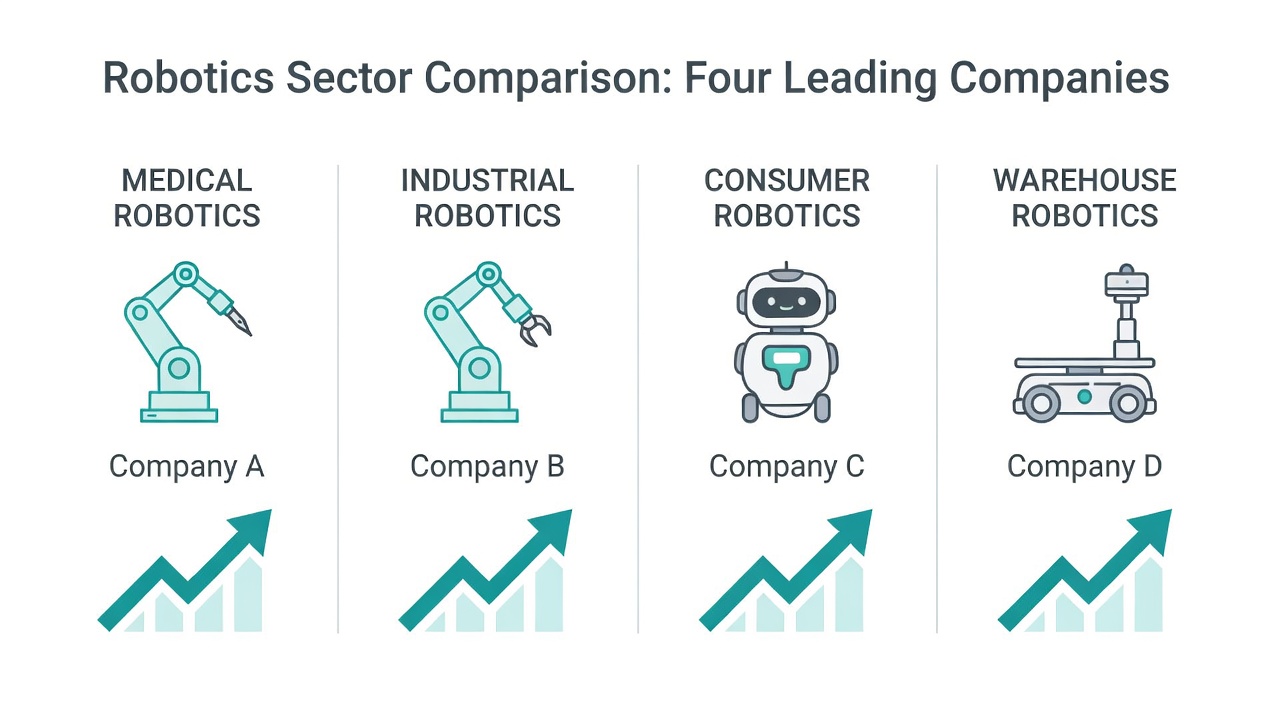
Several publicly traded firms demonstrate robust positioning. Intuitive Surgical leads in medical robotics with systems used in minimally invasive procedures, benefiting from recurring revenue through instrument replacements and software subscriptions. ABB focuses on industrial automation, serving automotive and electronics sectors with a global footprint that supports steady growth. iRobot specializes in consumer and commercial cleaning robots, expanding into enterprise solutions for large facilities. Symbotic develops warehouse automation solutions, partnering with major retailers to optimize fulfillment centers. Each company benefits from recurring revenue models through software updates, maintenance contracts, and ecosystem expansions. Revenue forecasts remain optimistic due to multi-year contracts and expanding global demand, with many firms reporting consistent double-digit growth in recent quarters.
Supply Chain Impacts and Automation Benefits
Robotics deployment transforms supply chains by improving speed, accuracy, and flexibility. Automated guided vehicles and collaborative robots reduce bottlenecks in warehousing and assembly. This efficiency helps companies navigate disruptions while lowering long-term operational costs. Investors should monitor how robotics firms partner with logistics giants to scale solutions across industries. Real-world examples include distribution centers using robotic arms for precise picking and packing, which has reduced error rates and improved delivery times during peak seasons. These operational improvements often translate directly into higher stock valuations for the companies providing the technology.
Valuation Metrics for Robotics Stocks
Evaluating robotics companies requires attention to forward-looking metrics. Revenue growth rates, gross margins, and research-and-development spending provide insight into competitive strength. Price-to-sales ratios often serve as useful benchmarks for high-growth names where earnings may still be scaling. Investors should also examine free cash flow generation and customer acquisition costs to gauge sustainability. Compare these figures against sector peers and historical averages. Authoritative resources such as Investopedia offer detailed explanations of these metrics for new investors, including step-by-step tutorials on interpreting financial statements.
Risks Versus Rewards in the Robotics Sector
High-growth potential comes with notable risks. Technological obsolescence, regulatory hurdles, and intense competition can pressure margins. Geopolitical tensions may also affect component sourcing for global manufacturers. For example, supply chain delays in semiconductor chips have occasionally slowed production schedules for robotics firms. Rewards include substantial market expansion as automation penetrates new verticals such as agriculture and eldercare. Diversified robotics exposure can help balance portfolios during economic cycles, offering a hedge against traditional manufacturing downturns.
Simple Evaluation Checklist for New Investors
- Assess revenue growth trajectory over the past three years.
- Review AI and software integration capabilities, including patent filings.
- Examine customer concentration and contract duration for revenue stability.
- Compare debt levels and cash reserves for resilience during market volatility.
- Analyze management commentary on 2026 expansion plans from earnings calls.
- Consider diversification across medical, industrial, and consumer robotics segments.
- Evaluate partnerships with major corporations that signal market validation.
- Review analyst consensus targets and recent institutional ownership changes.
Side-by-Side Company Comparisons
Intuitive Surgical excels in high-margin medical applications with strong recurring revenue from its da Vinci systems. ABB offers broad industrial exposure and global scale, making it resilient to regional economic fluctuations. iRobot targets consumer markets with brand recognition advantages and expanding smart-home integrations. Symbotic focuses on high-volume warehouse automation with rapid deployment models that appeal to e-commerce leaders. Investors can weigh these profiles against personal risk tolerance and time horizon. Cross-reference filings via resources like SEC.gov for the latest disclosures, including detailed risk factors and competitive positioning statements.
How to Get Started with Robotics Stock Research
Begin by reviewing quarterly earnings reports and investor presentations available on company websites. Use free screening tools to filter stocks by revenue growth and sector exposure. Attend virtual industry conferences to hear directly from executives about upcoming product launches. Building a watchlist of five to ten robotics-related companies allows for ongoing monitoring without overwhelming a beginner portfolio.
Portfolio Allocation Tips and Mistakes to Avoid
A balanced approach might allocate 5-15% of a diversified equity portfolio to robotics themes, depending on overall risk appetite. Avoid concentrating too heavily in a single company or subsector. Common mistakes include chasing hype without fundamental analysis or ignoring valuation multiples during rapid price increases. Instead, focus on companies with durable competitive advantages and clear paths to profitability.
Conclusion
Robotics stocks present compelling 2026 opportunities driven by automation demand and AI progress. By applying structured evaluation methods and understanding both rewards and risks, investors can make informed decisions. Always conduct thorough due diligence and consider consulting a financial advisor before allocating capital.
FAQ: Common Questions on Robotics Stock Entry and Allocation
What are typical entry points for robotics stocks? Many investors begin with established leaders during market dips or after positive earnings reports, focusing on companies with proven revenue growth and strong balance sheets.
How much should beginners allocate to robotics? A common starting point is 5-10% of a diversified portfolio, adjusted based on overall risk tolerance and existing tech exposure, with gradual increases as familiarity grows.
Are there tax considerations for robotics investments? Hold periods and account types such as IRAs can influence tax outcomes; review current guidelines from IRS.gov for details on capital gains treatment.
Should investors use ETFs for robotics exposure? ETFs provide instant diversification across multiple companies and may suit beginners seeking lower individual stock risk while still capturing sector growth.


No comments yet. Be the first!