 Bullish Portfolio
Introduction to Green Data Center Stocks
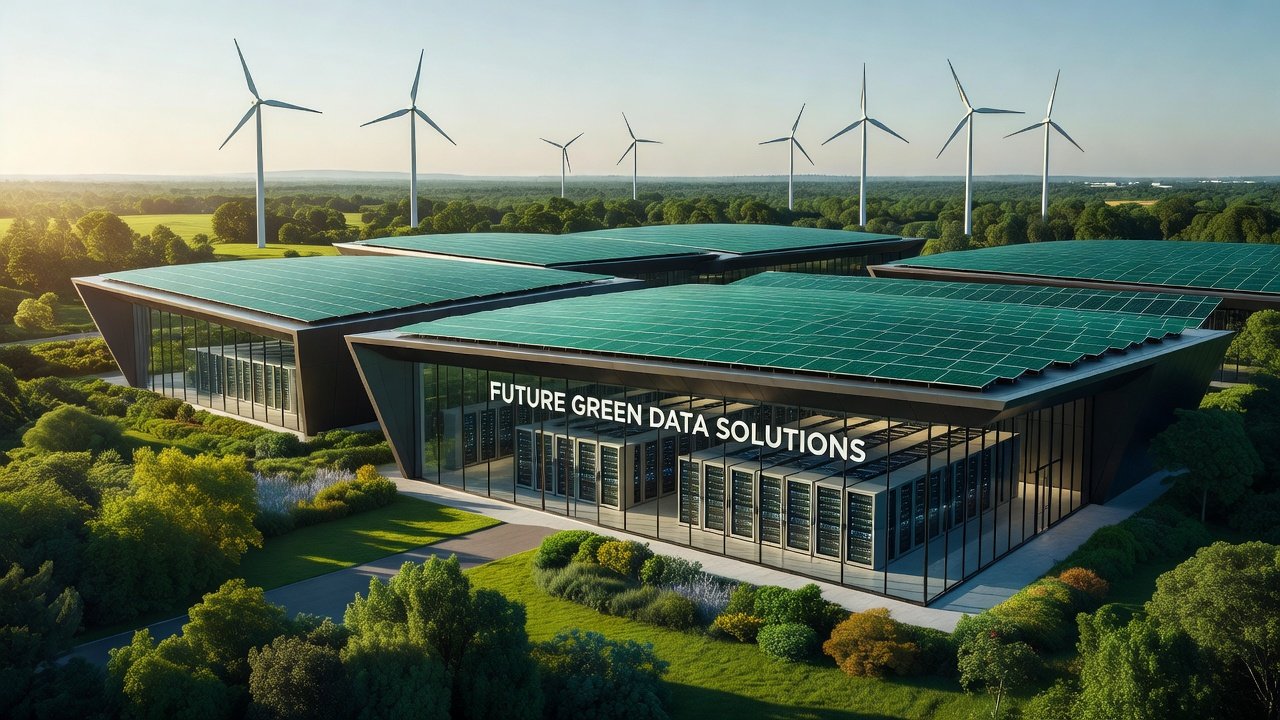
The intersection of artificial intelligence expansion and environmental sustainability is creating powerful tailwinds for green data center stocks. As AI models grow more complex, they demand enormous computational resources housed in facilities that traditionally consume vast amounts of electricity. Investors are increasingly prioritizing companies that integrate renewable energy sources, advanced cooling technologies, and carbon reduction strategies. This shift aligns with broader ESG mandates from institutional funds and regulatory bodies worldwide. In 2026, operators demonstrating measurable progress in energy efficiency stand to benefit from both hyperscale contracts and favorable policy environments. This comprehensive guide examines the drivers, key players, evaluation methods, and practical steps for building exposure to this theme.
Key Market Drivers for 2026
Artificial intelligence training and inference workloads are projected to drive data center power demand significantly higher over the next several years. Traditional facilities struggle with the heat density generated by GPU clusters, prompting a move toward liquid cooling and on-site renewable generation. Regulatory frameworks in Europe and North America now impose stricter emissions reporting and renewable portfolio standards, rewarding operators who exceed compliance thresholds. ESG-focused capital continues flowing into sustainable infrastructure, creating valuation premiums for companies with transparent sustainability reporting. Supply chain localization and grid modernization efforts further support the buildout of green campuses. These factors combine to position well-prepared operators for accelerated revenue growth and market share gains through 2026.
Leading Green Data Center Operators
Equinix has expanded its renewable energy matching programs across global markets while investing in modular data center designs that reduce construction waste. Digital Realty emphasizes water stewardship alongside power efficiency, deploying closed-loop cooling systems in water-stressed regions. CyrusOne has pioneered AI-driven energy management platforms that dynamically adjust loads based on renewable availability. Switch operates purpose-built facilities with ultra-low PUE targets and dedicated solar arrays. CoreSite focuses on urban edge locations paired with community renewable partnerships. Each of these companies maintains aggressive expansion pipelines backed by multi-year contracts from major cloud providers. Investors evaluating these names should review quarterly sustainability updates for updates on renewable percentages and efficiency milestones achieved.
Comparing Energy Efficiency Metrics
Power Usage Effectiveness remains the primary benchmark, calculated by dividing total facility energy by IT equipment energy. Leading green operators consistently report PUE values between 1.1 and 1.25, far below the industry average of 1.5 or higher. Water Usage Effectiveness measures liters of water consumed per kilowatt-hour of IT load, with top performers achieving near-zero values through dry cooling or wastewater recycling. Carbon Usage Effectiveness tracks emissions intensity and improves dramatically when facilities source power from wind, solar, or certified offsets. These metrics should be compared year-over-year and against peer averages to identify genuine leaders. 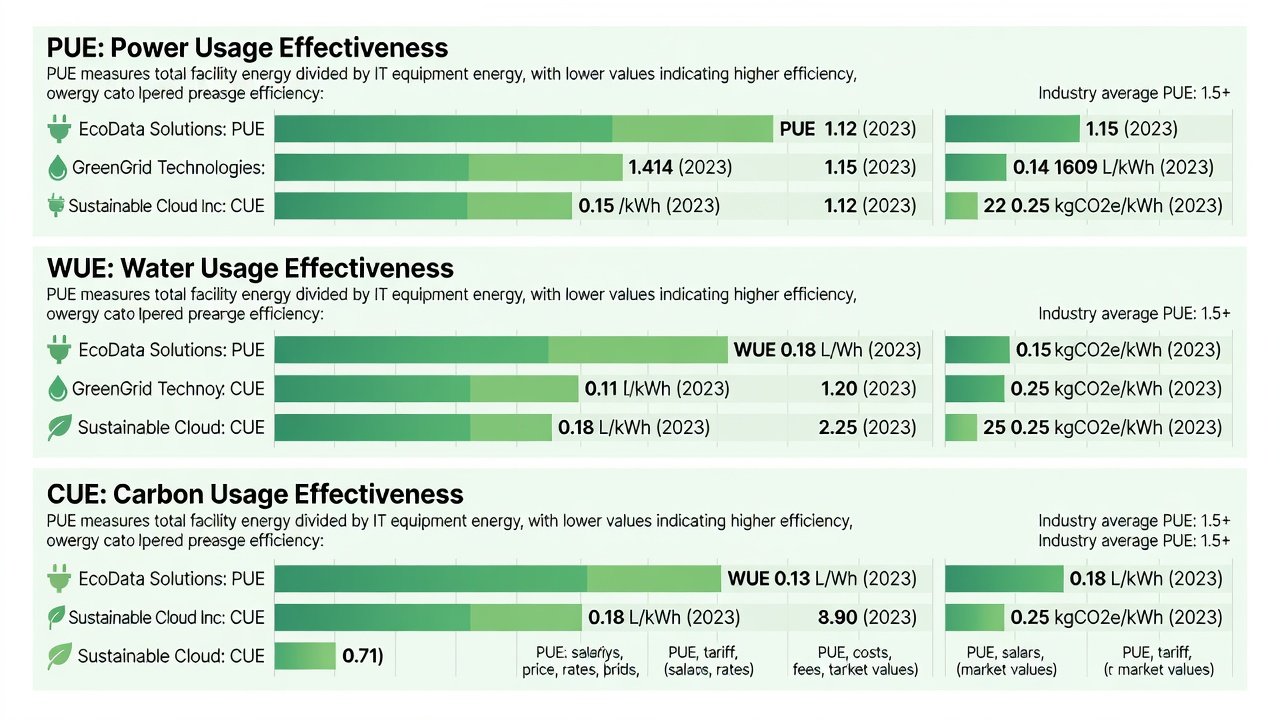
Valuation Approaches for Green Data Center Stocks
Enterprise value to EBITDA multiples adjusted for contracted growth provide one lens, while discounted cash flow models incorporate long-term savings from renewable power purchase agreements. Revenue multiples relative to traditional data center peers can highlight sustainability premiums. Free cash flow yield analysis helps assess whether capital expenditures for green retrofits are generating adequate returns. Investors may also examine balance sheet metrics such as net debt to EBITDA, ensuring that sustainability investments do not compromise financial flexibility. Qualitative factors including management track records on ESG targets and partnerships with hyperscalers add further context to quantitative models.
Risk Factors and Tech Adoption Hurdles
High initial capital requirements for renewable integration and advanced cooling can pressure near-term margins. Grid interconnection delays and permitting challenges may slow facility ramp times. Rapid technological change in chip architectures could render certain efficiency investments obsolete faster than anticipated. Evolving ESG disclosure rules introduce compliance costs and potential reputational risks for companies falling short of targets. Concentration risk arises when a few large cloud customers dominate revenue, making contract renewals critical. Geopolitical tensions affecting supply chains for specialized equipment represent an additional layer of uncertainty. Portfolio construction should therefore include diversification across multiple operators and geographies.
Beginner-Friendly Selection Checklist
Begin by confirming that the company publishes annual sustainability reports aligned with recognized frameworks such as GRI or SASB. Next, verify that renewable energy sourcing exceeds 75 percent through direct generation or verified purchases. Examine PUE trends over at least three years to ensure consistent improvement rather than one-time gains. Review expansion announcements for alignment with announced AI infrastructure spending by major technology firms. Assess liquidity and credit ratings to confirm the ability to fund ongoing green projects without excessive dilution. Compare total shareholder return against broader REIT or technology indices to gauge historical outperformance. Finally, consult independent ESG rating agencies to cross-check self-reported data and identify any controversies. This structured approach reduces the likelihood of selecting operators that overstate their sustainability credentials.
Real-World Case Studies of 2026 Outperformers
One European operator completed a multi-site renewable microgrid project that allowed three new AI-ready halls to operate entirely on wind and solar during peak production hours. The resulting long-term power cost stability attracted additional hyperscale tenants and supported above-peer revenue growth. Another North American company implemented immersion cooling across an entire campus, achieving a 30 percent reduction in energy for cooling while simultaneously lowering water consumption. This technical achievement was highlighted in customer case studies and contributed to winning several large-scale AI training contracts. These examples demonstrate how targeted sustainability investments translate directly into competitive advantages and shareholder value creation.
FAQs on ESG Impacts and Portfolio Fit
How do green data centers reduce environmental impact?
They achieve lower carbon footprints by prioritizing renewable electricity, optimizing cooling systems, and recovering waste heat for district heating or industrial use. Comprehensive reporting frameworks help investors track progress. Additional context is available from IEA.
Are these stocks suitable for ESG-focused portfolios?
Many qualify under environmental screens due to their renewable commitments and efficiency leadership, offering growth exposure alongside impact alignment. Portfolio managers often pair them with broader clean energy holdings. Guidance on ESG integration can be found at EPA.
What role does regulation play in future growth?
Emerging rules on emissions disclosure and renewable mandates create both compliance requirements and competitive advantages for proactive operators. Staying informed through official channels such as U.S. Department of Energy supports better decision making.
How should beginners begin building positions?
Start with established operators that publish clear metrics, then gradually add exposure as familiarity with the sector increases. Dollar-cost averaging helps manage volatility associated with technology adoption cycles.
Conclusion
Green data center stocks combine the structural growth of AI infrastructure with the increasing importance of sustainability. By applying the detailed metrics, valuation frameworks, checklist, and risk considerations presented here, investors can construct informed positions that capture both financial returns and positive environmental outcomes. Ongoing monitoring of regulatory developments, technological advances, and contract announcements will remain essential for success in this dynamic sector through 2026 and beyond.


No comments yet. Be the first!