 Bullish Portfolio
Alternative Data Integration for 2026 Portfolio Resilience
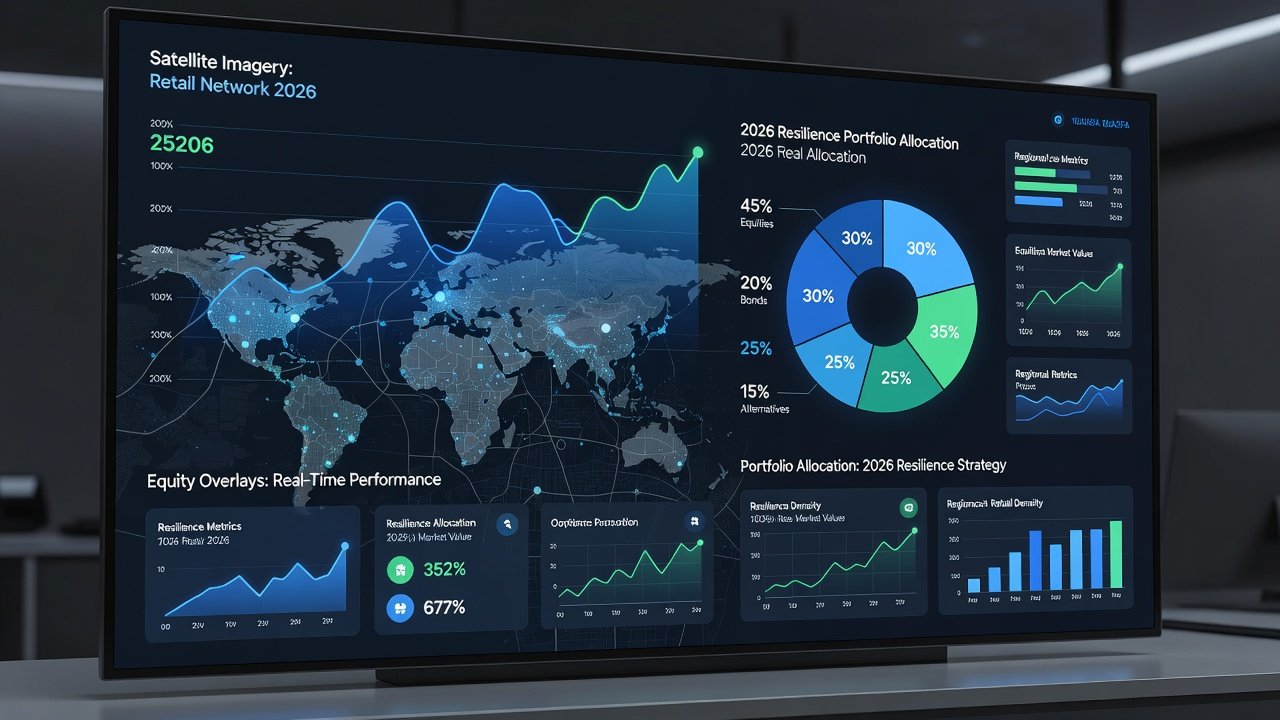
In 2026, traditional financial models alone no longer suffice for robust portfolio management. Investors increasingly turn to alternative data sources to gain an edge in diversification and asset allocation. This article explores practical methods for incorporating non-traditional signals such as satellite imagery, credit card transaction flows, and social sentiment analysis alongside conventional metrics. Portfolio managers face an evolving landscape where rapid technological advances and shifting economic conditions demand more nuanced approaches. By blending these unconventional datasets with established quantitative frameworks, investors can uncover hidden correlations and anticipate market movements with greater precision. The result is enhanced resilience against volatility, whether from geopolitical events or sector-specific disruptions.
Understanding Alternative Data in Modern Portfolios
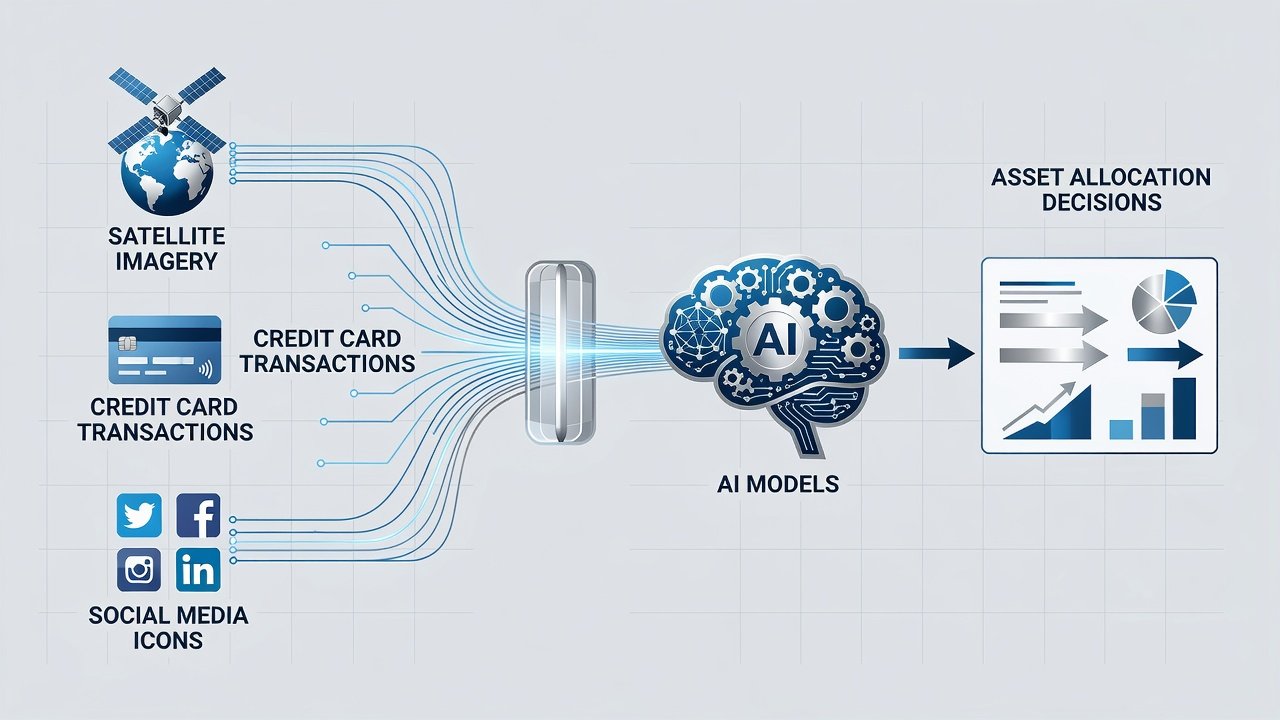
Alternative data refers to information generated outside standard financial statements or market prices. These datasets provide real-time insights into economic activity, consumer behavior, and corporate performance that traditional sources often miss. For equity portfolios, satellite imagery can track retail parking lot occupancy to forecast earnings surprises. Credit card flows reveal spending patterns across sectors, while social sentiment gauges public perception of brands or macroeconomic trends. Fixed-income portfolios benefit similarly. Satellite data on industrial output or supply chain disruptions helps assess credit risk in corporate bonds. Integrating these signals supports more dynamic allocation decisions amid 2026 market volatility. Beyond basic definitions, alternative data enables a shift from reactive to proactive strategies, allowing managers to model scenarios that incorporate real-world variables like weather impacts on agriculture or mobility trends affecting transportation equities.
Key Alternative Data Types and Sourcing Methods
Several categories stand out for portfolio applications. Satellite imagery providers capture high-resolution images of agricultural fields, shipping ports, and retail locations. Sourcing typically involves specialized vendors that process raw geospatial data into actionable metrics such as crop yield estimates or container throughput volumes. Credit card transaction flows consist of aggregated, anonymized purchase data from millions of consumers, offering granular visibility into consumer spending by category and geography. Social sentiment analysis applies natural language processing to platforms, news, and forums to quantify market mood and emerging risks. Sourcing methods emphasize partnerships with established data aggregators that maintain compliance standards. Portfolio teams often pilot multiple vendors simultaneously to compare signal accuracy before committing to long-term contracts. Practical considerations include data frequency, with some feeds updating daily and others providing weekly aggregates, which influences how quickly signals can be acted upon in live trading environments.
Integration Challenges and Mitigation Strategies
Common hurdles include data quality inconsistencies, high volume requiring advanced processing, and potential regulatory scrutiny. To address these, teams implement rigorous cleaning pipelines and use machine learning models to filter irrelevant information. Privacy concerns, especially with consumer-derived data, demand strict anonymization protocols and encryption during transmission. Backtesting frameworks must account for look-ahead bias and survivorship bias when evaluating alternative signals. Robust infrastructure, including cloud-based analytics platforms, helps scale integration without compromising speed. Additional challenges arise from signal decay, where once-novel datasets lose predictive power as more participants adopt them. Mitigation involves continuous monitoring of correlation strength and diversification across data categories to maintain an information advantage. Collaboration between data scientists and portfolio managers ensures that technical outputs translate into actionable investment decisions rather than remaining isolated research outputs.
Step-by-Step Framework for Incorporating Alternative Signals
Follow this practical sequence to blend alternative data with traditional models. First, define investment objectives and risk tolerance clearly, incorporating both return targets and drawdown limits. Second, identify relevant alternative datasets aligned with target asset classes, such as pairing satellite data with commodity futures. Third, establish data pipelines with quality checks and normalization to handle varying formats from different providers. Fourth, combine signals using quantitative models, such as multi-factor regressions or AI-driven ensemble methods that weight inputs dynamically. Fifth, conduct risk assessment through stress testing and scenario analysis that simulates extreme conditions like supply chain breakdowns. Sixth, perform backtesting over multiple market regimes to validate predictive power, using out-of-sample periods to avoid overfitting. Seventh, monitor live performance and recalibrate periodically based on shifting market regimes. This framework emphasizes iterative refinement rather than one-time implementation, with built-in checkpoints for human oversight at each stage.
Risk Assessment, Backtesting, and Common Pitfalls
Effective risk assessment integrates alternative signals into value-at-risk calculations and stress scenarios. Backtesting should span at least five years, including both bull and bear markets, to evaluate consistency. Common pitfalls include over-reliance on a single data source or failing to adjust for transaction costs in high-frequency signals. Managers mitigate these by maintaining a diversified signal basket and documenting all model assumptions transparently. Regular audits of data provenance further reduce operational risks associated with vendor changes or feed interruptions.
Practical Examples from Equity and Fixed-Income Portfolios
Consider an equity portfolio overweight in consumer discretionary stocks. Satellite imagery revealing declining mall traffic in key regions could prompt earlier position reductions compared to earnings reports alone. Credit card data showing accelerating e-commerce spend might support increased allocations to technology names with strong online presence. In fixed-income contexts, social sentiment spikes around regulatory changes in energy sectors could inform duration adjustments in bond holdings or shifts toward issuers with stronger environmental profiles. Another example involves global equity funds using port activity data to anticipate trade volume changes affecting multinational exporters. These examples illustrate how alternative signals enable proactive rebalancing for improved resilience, often delivering incremental alpha during periods when traditional indicators lag.
Comparing Outcomes Versus Conventional Approaches
Portfolios relying solely on traditional financial ratios often lag during rapid economic shifts. In contrast, those augmented with alternative data demonstrate enhanced diversification across uncorrelated signals. Quantitative studies indicate improved Sharpe ratios when alternative inputs complement fundamental analysis. The edge arises from earlier detection of trends and reduced exposure to crowded trades. However, conventional approaches retain value for long-term fundamental stability, suggesting a hybrid model yields the strongest results. Managers should track performance differentials over rolling periods to quantify the incremental benefit and justify ongoing data expenditures.
FAQ on Data Privacy and Implementation
How do teams address data privacy when using consumer transaction data?
Strict compliance with global regulations, including anonymization and aggregation techniques, forms the foundation. Regular audits ensure ongoing adherence and help identify potential vulnerabilities before they escalate.
What implementation considerations affect overall costs?
Expenses vary based on data vendor selection, technology infrastructure, and team expertise. Many managers begin with targeted pilots to evaluate return on investment before full-scale rollout, allowing for phased scaling that controls budget impact.
Can small portfolios benefit from these techniques?
Yes, through outsourced analytics platforms or multi-manager funds that embed alternative data strategies, democratizing access without requiring in-house infrastructure investments.
For authoritative guidance on regulatory frameworks surrounding data usage, consult resources from the U.S. Securities and Exchange Commission, the Federal Reserve, and the International Monetary Fund.
Conclusion
Integrating alternative data represents a forward-looking evolution in portfolio construction. By following structured frameworks and addressing challenges head-on, investors position themselves for greater resilience in 2026 and beyond.

No comments yet. Be the first!