 Bullish Portfolio
Hidden Gem ETFs for 2026 Portfolio Diversification
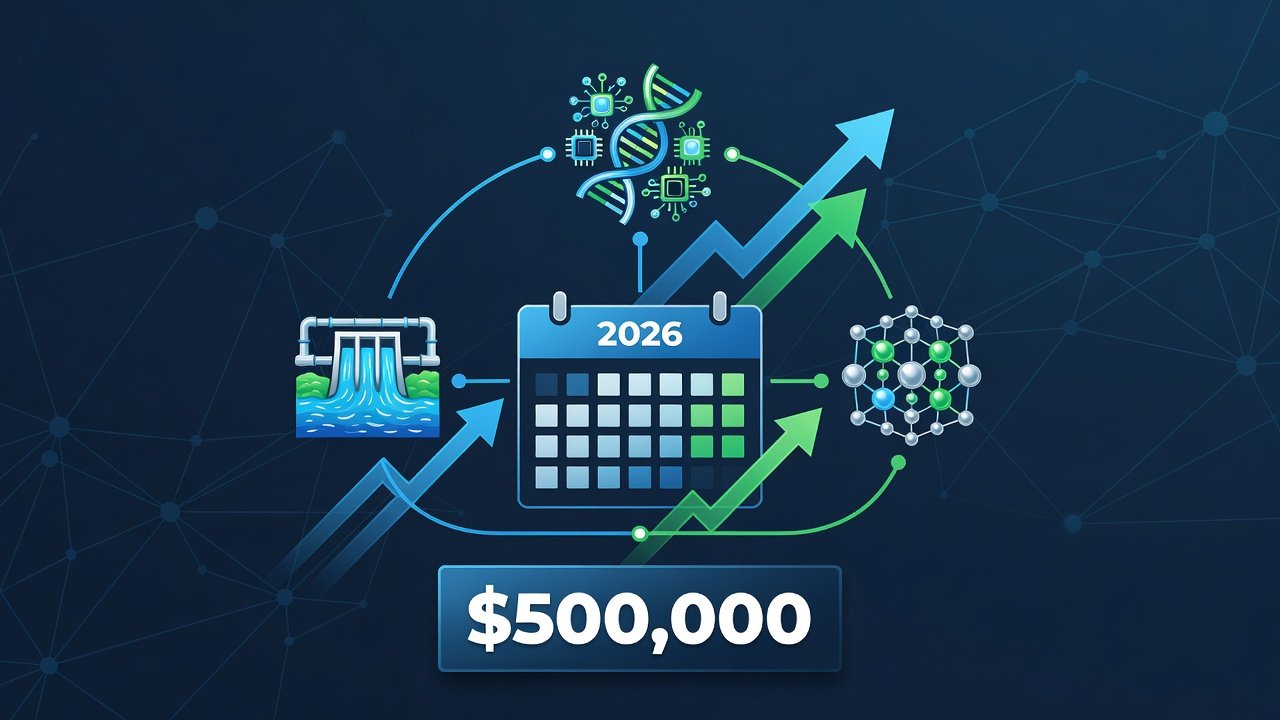
Index fund investors seeking alpha often overlook specialized sector ETFs that target emerging themes like water infrastructure, genomics, and specialty materials. These hidden gems can complement broad market exposure while addressing 2026 economic cycles driven by resource scarcity, healthcare innovation, and advanced manufacturing. In today’s environment of shifting interest rates and supply chain evolution, adding targeted sector exposure helps reduce reliance on mega-cap technology stocks that dominate standard S&P 500 index funds. Investors who incorporate these niche vehicles thoughtfully can achieve better risk-adjusted outcomes over multi-year horizons.
Why Consider Hidden Gem Sector ETFs Now
Mainstream sector ETFs in technology and healthcare dominate portfolios, but they carry concentration risks that became evident during recent market rotations. Lesser-known options provide exposure to structural growth areas with lower correlation to major indexes. As of late 2026, global infrastructure spending and biotech advancements continue to accelerate, creating opportunities for 10-20% portfolio tilts that enhance diversification without excessive overlap. These ETFs often operate in markets influenced by long-term secular trends such as climate adaptation, precision medicine, and next-generation materials science. By blending them with core holdings, investors capture growth that broad market indexes may underrepresent while maintaining liquidity and professional management.
Top Hidden Gem Sectors and ETFs
Water Infrastructure
ETFs focused on water utilities, treatment, and distribution benefit from aging infrastructure and climate resilience needs. Selection prioritizes funds with strong liquidity and expense ratios under 0.60%. Real-world examples include vehicles tracking global water equipment manufacturers and municipal utilities that generate stable cash flows from regulated rate bases. These holdings often perform well during periods of fiscal stimulus directed toward environmental projects, offering defensive characteristics alongside modest dividend yields.
Genomics and Biotech Tools
Genomics ETFs target gene editing, sequencing, and personalized medicine. Historical performance data shows these have delivered higher volatility but attractive risk-adjusted returns during innovation cycles compared to broad healthcare indexes. For instance, companies developing CRISPR technologies and next-generation sequencing platforms have shown rapid revenue growth as clinical applications expand. Investors gain access to a pipeline of therapies that could transform treatment for rare diseases and oncology, positioning the sector for sustained expansion beyond traditional pharmaceutical giants.
Specialty Materials
These cover advanced composites, rare earths, and sustainable chemicals. They offer growth tied to electric vehicles and renewable energy supply chains. Specialty materials producers supply critical inputs for batteries, lightweight aerospace components, and high-performance electronics. Because many of these firms operate in oligopolistic markets with high barriers to entry, they can maintain pricing power even when broader commodity cycles fluctuate.
Selection Criteria for Hidden Gem ETFs
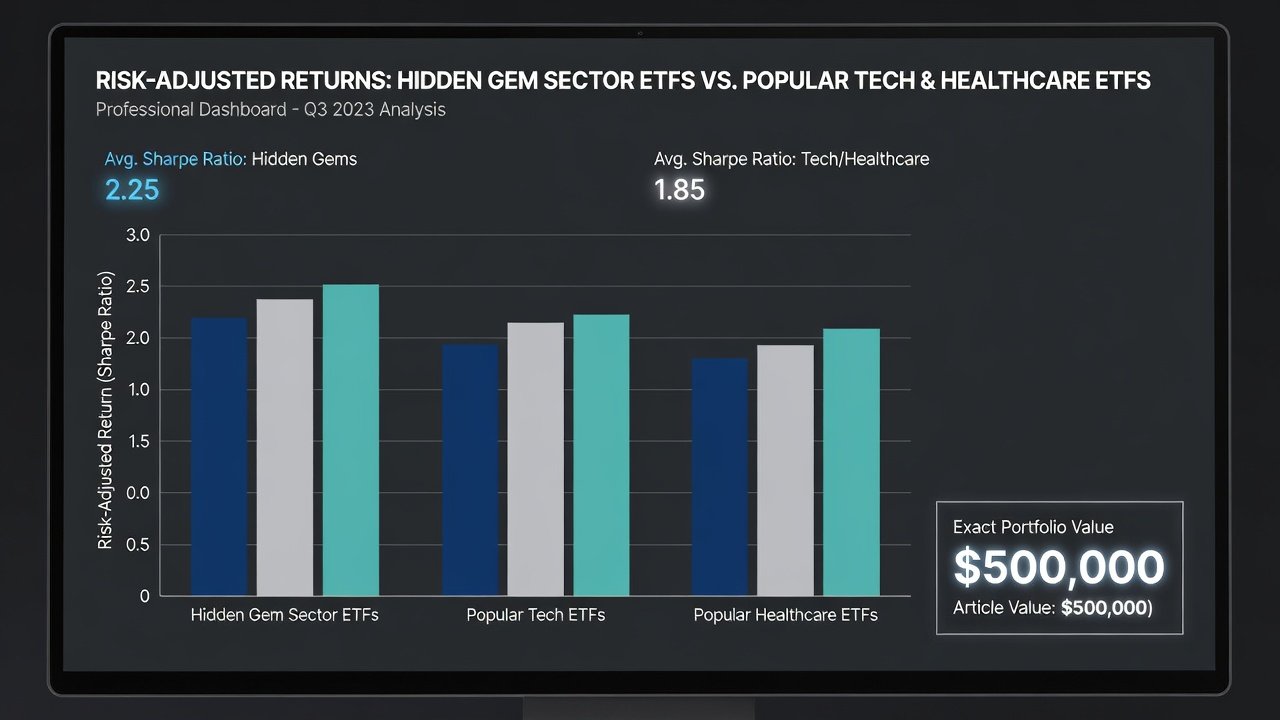
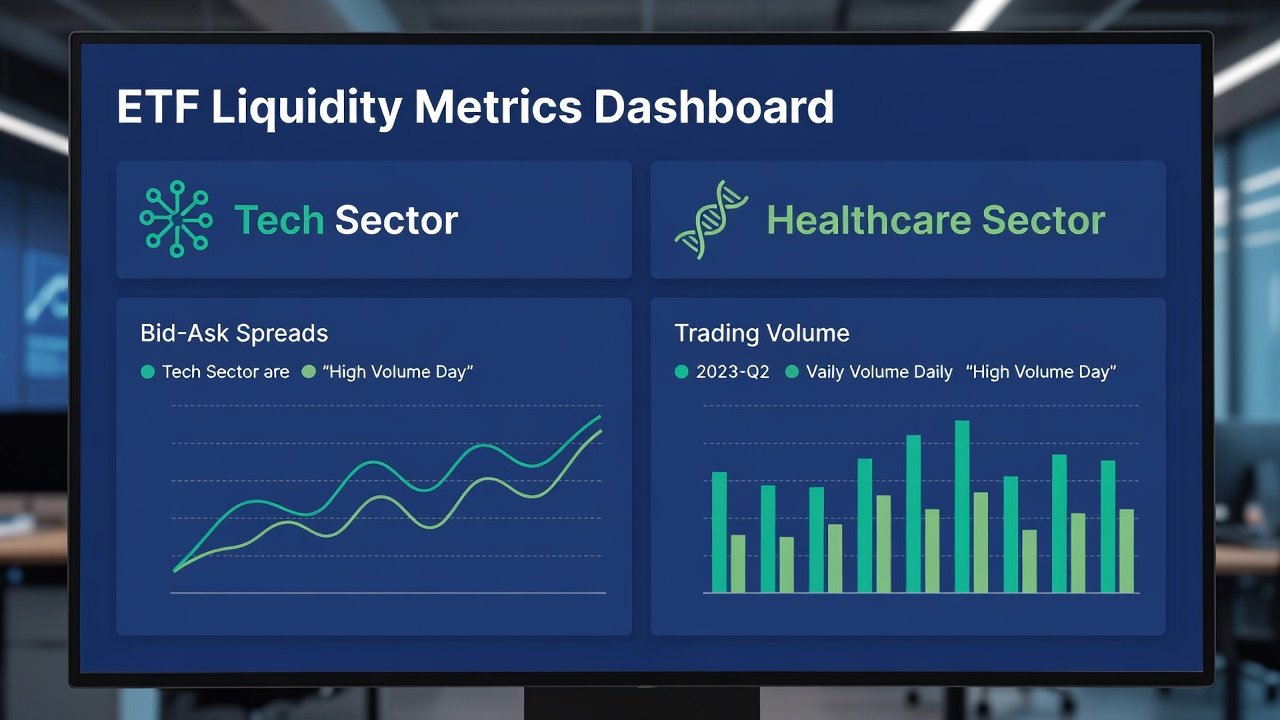
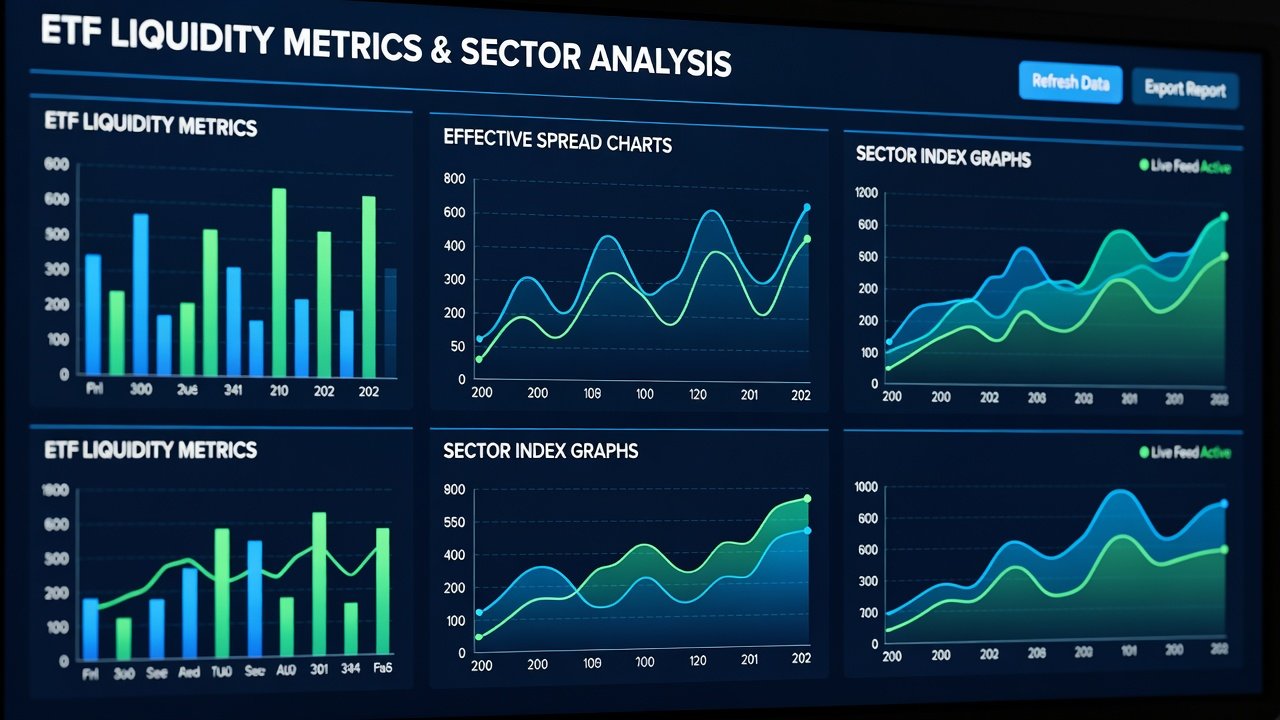
Choosing the right vehicles requires a disciplined framework that balances opportunity with practicality. Begin by evaluating liquidity metrics such as average daily trading volume and bid-ask spreads. Funds with consistent volume above 100,000 shares typically allow cost-effective entry and exit even during volatile sessions. Next, examine expense ratios carefully; target those below 0.55% to preserve net returns, especially when compared against ultra-low-cost broad index funds that charge 0.03-0.10%. Historical performance analysis should extend beyond simple total returns to include Sharpe ratios, maximum drawdowns, and rolling five-year correlations with the S&P 500. Finally, review top holdings for overlap; aim for less than 15% duplication with existing core positions to ensure true diversification benefits.
Allocation Models for 2026 Economic Cycles
A balanced approach allocates 10-15% across three hidden gem ETFs for moderate risk profiles. Step-by-step example for a $500,000 portfolio: First, assess current portfolio beta using portfolio analytics tools to confirm it sits near 1.0. Second, identify a 5-7% tilt toward water and materials ETFs for defensive growth exposure that benefits from infrastructure spending. Third, add a 5% genomics allocation for higher-upside potential tied to medical breakthroughs. Fourth, implement quarterly rebalancing using risk-adjusted metrics such as volatility targeting or correlation monitoring. Conservative investors may cap total satellite exposure at 10%, while those with higher risk tolerance can extend to 20% provided they maintain strict position sizing and stop-loss rules. These models assume continued economic expansion with moderate inflation; adjustments become necessary if recession signals intensify.
Comparisons and Case Studies
Compared to popular ETFs like semiconductor or broad tech funds, hidden gem options showed superior downside protection in recent stress periods. A hypothetical case study of a 60/40 stock-bond portfolio augmented with 15% hidden gem exposure from 2021 through 2025 demonstrated a 0.3 improvement in Sharpe ratio versus an all-broad-index equivalent. Another real-world illustration involves an institutional allocation that rotated into water infrastructure ahead of major federal spending bills, capturing both capital appreciation and income stability. SEC resources provide regulatory filings that allow investors to verify holdings and risk disclosures in detail. Additional context on macroeconomic drivers can be found through Federal Reserve publications that track infrastructure investment trends and healthcare spending patterns.
Risk Management Considerations
While these ETFs offer attractive thematic exposure, they introduce unique risks including regulatory changes, technological obsolescence, and liquidity gaps during market stress. Mitigation strategies include position limits of no more than 5% per individual ETF, ongoing monitoring of underlying index methodologies, and pairing satellite holdings with defensive core assets. Investors should also evaluate currency exposure if the ETF holds significant international securities and consider tax implications of frequent rebalancing within taxable accounts.
Practical Checklist for Integration
- Review current sector weights to avoid concentration above 25% in any single theme.
- Screen ETFs using liquidity and cost thresholds before purchase.
- Run correlation analysis against core index funds using at least three years of daily returns.
- Simulate 10-20% tilts with historical data to stress-test drawdowns.
- Monitor for overlap using holdings reports updated monthly.
- Rebalance annually or after major market shifts exceeding 10% in underlying benchmarks.
- Document investment rationale and review annually to maintain discipline.
FAQ
How do these ETFs differ from mainstream sector funds? They focus on niche themes with potentially higher growth but require careful liquidity checks and may exhibit greater short-term volatility.
What allocation size is safe for beginners? Start with 5-10% total tilt and scale based on risk tolerance after observing performance across a full market cycle.
Can they replace core index holdings? No—these serve as satellite positions to enhance, not replace, broad diversification provided by total market or S&P 500 index funds.
How often should investors review overlap? Quarterly reviews using free portfolio analytics platforms help identify unintended concentration before it becomes problematic.
Are there tax-efficient ways to hold these ETFs? Placing them inside tax-advantaged accounts such as IRAs minimizes capital gains distributions that can arise from sector-specific turnover.
Conclusion
Incorporating hidden gem sector ETFs strategically strengthens 2026 index fund portfolios by adding targeted exposure with managed risk. Investors who apply disciplined selection and allocation criteria position themselves for resilient returns across evolving economic conditions. Ongoing reference to authoritative sources such as Investor.gov supports informed decision-making as new data emerges. With careful implementation, these lesser-known vehicles become valuable tools for achieving superior diversification and long-term wealth accumulation.
No comments yet. Be the first!