 Bullish Portfolio

Introduction: Battery Tech's Explosive 2026 Outlook
The global shift toward electric vehicles and renewable energy integration is accelerating demand for advanced battery technologies in 2026. This creates compelling opportunities for investors seeking bullish positions in battery tech stocks with strong fundamentals and market positioning. As governments and corporations push for decarbonization, battery innovation stands at the forefront of sustainable growth across multiple industries including transportation, utilities, and consumer electronics. The convergence of falling technology costs, supportive policy frameworks, and rising consumer adoption of clean energy solutions has positioned the battery sector for sustained expansion. Investors who understand the underlying drivers can identify companies poised for significant gains amid this transformation.
This comprehensive guide examines market projections, technology comparisons, standout companies, practical evaluation methods, and risk considerations to help investors make informed decisions. By exploring real-world examples and financial metrics, readers will gain actionable insights into navigating this dynamic sector.
Market Growth Projections for Battery Technologies
Analysts project robust expansion in the battery sector driven by EV adoption and grid-scale energy storage needs. Integration with solar and wind power requires reliable, high-capacity solutions that can handle intermittent supply. Key drivers include policy incentives from major economies and ongoing reductions in production costs, positioning battery tech as a critical enabler of the energy transition. Global demand for lithium-ion batteries alone is expected to multiply several times over the coming years due to automotive electrification mandates and corporate sustainability goals.
Real-world examples include major automakers scaling production facilities worldwide and utilities deploying massive storage projects to stabilize power grids. Investors should monitor quarterly reports from leading firms to gauge momentum and identify emerging trends in supply chain developments. The sector benefits from cross-industry collaborations that accelerate innovation cycles and open new revenue streams for well-positioned companies.
Lithium-Ion vs Next-Gen Battery Alternatives
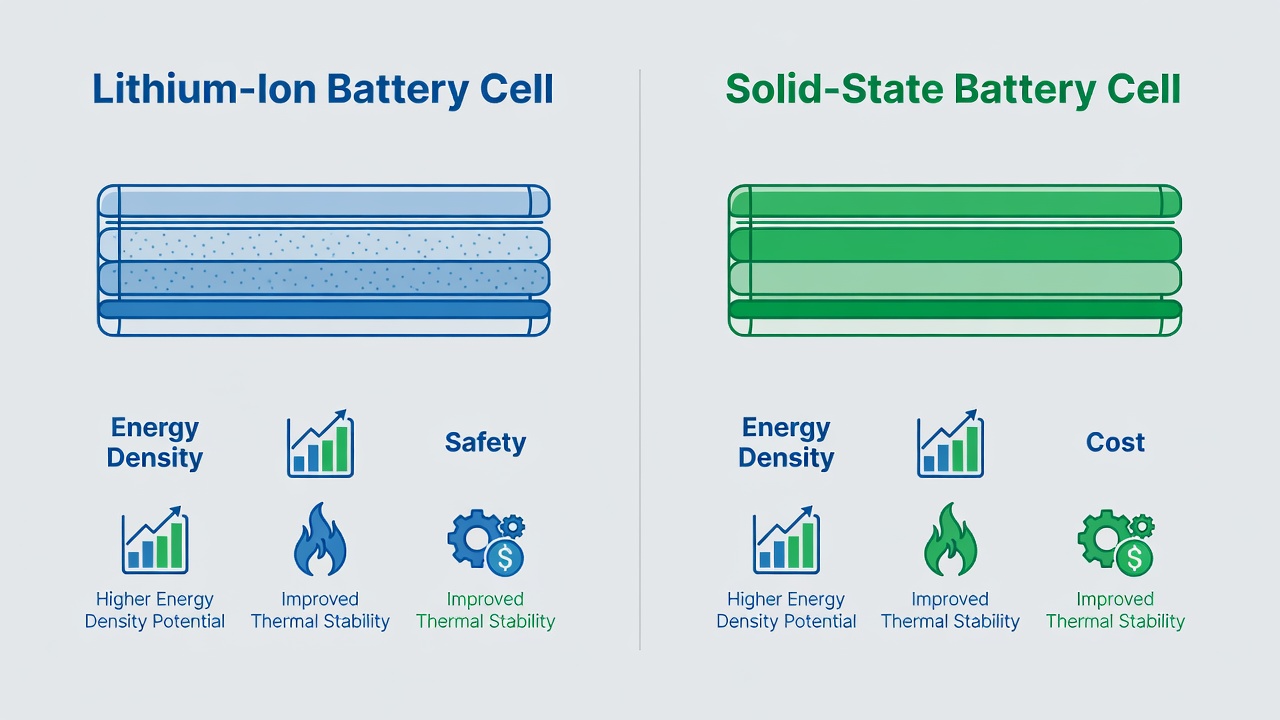
Lithium-ion batteries currently dominate due to their established supply chains, high energy density, and proven reliability in consumer and industrial applications. However, next-generation options like solid-state and sodium-ion technologies promise improvements in safety, cost efficiency, and reduced reliance on scarce raw materials. Solid-state batteries offer potential advantages in energy storage capacity and thermal stability, while sodium-ion variants leverage abundant resources to lower material expenses.
Comparisons reveal important trade-offs: lithium-ion excels in performance and maturity today, yet alternatives may reduce geopolitical risks associated with lithium and cobalt sourcing. Companies investing in both current and emerging chemistries are better positioned for long-term competitiveness. Industry leaders are conducting pilot programs to validate these technologies at scale, providing valuable data on commercial viability.
Top Bullish Battery Tech Stocks for 2026
Several companies demonstrate strong market positioning through diversified operations and strategic partnerships. Examples include established players with vertical integration in mining, refining, and cell manufacturing, alongside innovators focused on breakthrough chemistries for next-generation applications. Evaluating these requires attention to revenue streams from EV partnerships, renewable energy projects, and aftermarket services.
- Companies with vertical integration in mining and manufacturing often show resilience against raw material price swings.
- Firms advancing solid-state prototypes attract significant investor interest due to potential performance breakthroughs.
- Global leaders expanding production capacity across Asia, Europe, and North America benefit from regional policy support and local demand growth.
- Specialized suppliers providing battery management systems and recycling solutions add another layer of opportunity.
Tracking these firms involves reviewing their latest capacity expansion announcements and technology roadmaps to assess execution capabilities.
Practical Steps for Evaluating Battery Stocks
Beginner and experienced investors alike can use these detailed steps to assess opportunities systematically:
- Review revenue growth and gross margins from recent earnings releases to understand operational efficiency and market demand capture.
- Analyze R&D spending as a percentage of sales for innovation pipeline strength, comparing trends over multiple quarters.
- Examine partnerships with automakers and energy providers to evaluate commercial traction and future revenue visibility.
- Assess supply chain risks through geographic diversification metrics and supplier concentration analysis.
- Compare valuation multiples against sector peers while considering growth forecasts and balance sheet health.
- Monitor regulatory developments and patent filings for early signals of competitive advantages.
These metrics provide a data-driven framework that goes beyond market hype, enabling more confident investment choices.
Real-World Company Examples and Competitive Landscape
Leading battery manufacturers have formed alliances with automotive giants to secure long-term supply contracts, illustrating the importance of ecosystem positioning. One notable case involves firms that have integrated recycling operations to recover valuable materials, creating circular economy advantages. Another example highlights companies pioneering sodium-ion production lines to diversify away from lithium dependency. The competitive landscape features both legacy chemical companies transitioning into battery production and pure-play startups backed by substantial venture funding. Investors benefit from studying annual reports and investor presentations for concrete details on project timelines and expected returns.
Risk Factors in Battery Tech Investing
Market volatility, raw material price fluctuations, and regulatory changes represent key risks that can affect stock performance. Geopolitical tensions affecting mineral supply chains from key regions can impact profitability and delivery schedules. Technological obsolescence remains a concern if newer chemistries displace current leaders faster than anticipated. Diversification across multiple stocks, ongoing monitoring of technological milestones, and attention to macroeconomic indicators help mitigate downsides. Investors should also consider environmental and social governance factors that increasingly influence institutional capital flows.
FAQ: Addressing Beginner Investor Concerns
How volatile is the battery tech market?
The sector experiences fluctuations tied to commodity prices, policy shifts, and broader economic conditions, but long-term demand trends provide underlying stability for fundamentally sound companies with strong balance sheets.
What is the long-term potential?
With continued EV adoption and renewable integration, battery tech stocks offer multi-year growth potential as the world transitions to cleaner energy systems. Authoritative resources such as the International Energy Agency and the U.S. Department of Energy provide valuable data on global trends.
How should beginners start investing in this sector?
Begin with exchange-traded funds focused on clean energy or materials to gain broad exposure before selecting individual stocks based on the evaluation steps outlined above.
What mistakes should investors avoid?
Common pitfalls include chasing short-term hype without analyzing fundamentals, ignoring supply chain concentration risks, and failing to diversify across technology types and geographies.
Conclusion
Battery technology stocks present significant 2026 growth opportunities amid rising EV and renewable demand. By understanding technology comparisons, applying rigorous evaluation metrics, studying real company examples, and acknowledging risk factors, investors can position portfolios for success in this dynamic sector. Continued monitoring and disciplined analysis remain essential for capturing value in the evolving battery landscape. Additional insights are available from the National Renewable Energy Laboratory for those seeking deeper technical context.


No comments yet. Be the first!