 Bullish Portfolio

Cloud Computing vs. Cybersecurity: Growth Trajectories into 2026
As digital transformation accelerates, two sectors stand out for explosive growth: cloud computing and cybersecurity. Heading into 2026, both are poised for massive expansion driven by AI adoption, remote work, and rising cyber threats. This analysis compares their market trends, revenue projections, and competitive advantages, spotlighting key bullish stock picks for investors eyeing outsized returns.
The Cloud Computing Revolution
Cloud computing has evolved from a buzzword to the backbone of modern business. Hyperscalers like AWS, Azure, and Google Cloud dominate, with global spending projected to hit $1.6 trillion by 2028, according to reliable industry forecasts. Into 2026, expect 20-25% CAGR as enterprises migrate workloads for scalability and cost efficiency.
Key trends include multi-cloud strategies, edge computing, and AI integration. Revenue projections are stellar: the sector could surpass $800 billion annually by 2026. Competitive advantages lie in network effects—larger providers attract more developers, creating moats via ecosystems like AWS Marketplace.
- AI-Driven Demand: Generative AI workloads demand massive compute power, boosting cloud revenues.
- Hybrid Cloud Adoption: 90% of enterprises will use hybrid models by 2026.
- Sustainability Push: Green data centers appeal to ESG investors.
For more on market data, check the Nasdaq exchange insights.
Cybersecurity's Unstoppable Momentum
Cyber threats are escalating—ransomware attacks rose 93% in 2023, and AI-powered hacks loom larger. The cybersecurity market is forecasted to reach $300 billion by 2026, with a 12-15% CAGR. Demand stems from regulatory pressures like GDPR and rising breach costs averaging $4.5 million.
Trends highlight zero-trust architectures, cloud-native security, and endpoint detection. Revenue growth is fueled by subscription models, yielding high recurring revenue (80-90% for leaders). Advantages include first-mover status in emerging threats and sticky enterprise contracts.
- Endpoint security innovations counter sophisticated malware.
- SaaS security for cloud apps addresses shadow IT.
- Quantum-resistant encryption prepares for future risks.
Explore filings at the SEC website for company disclosures.
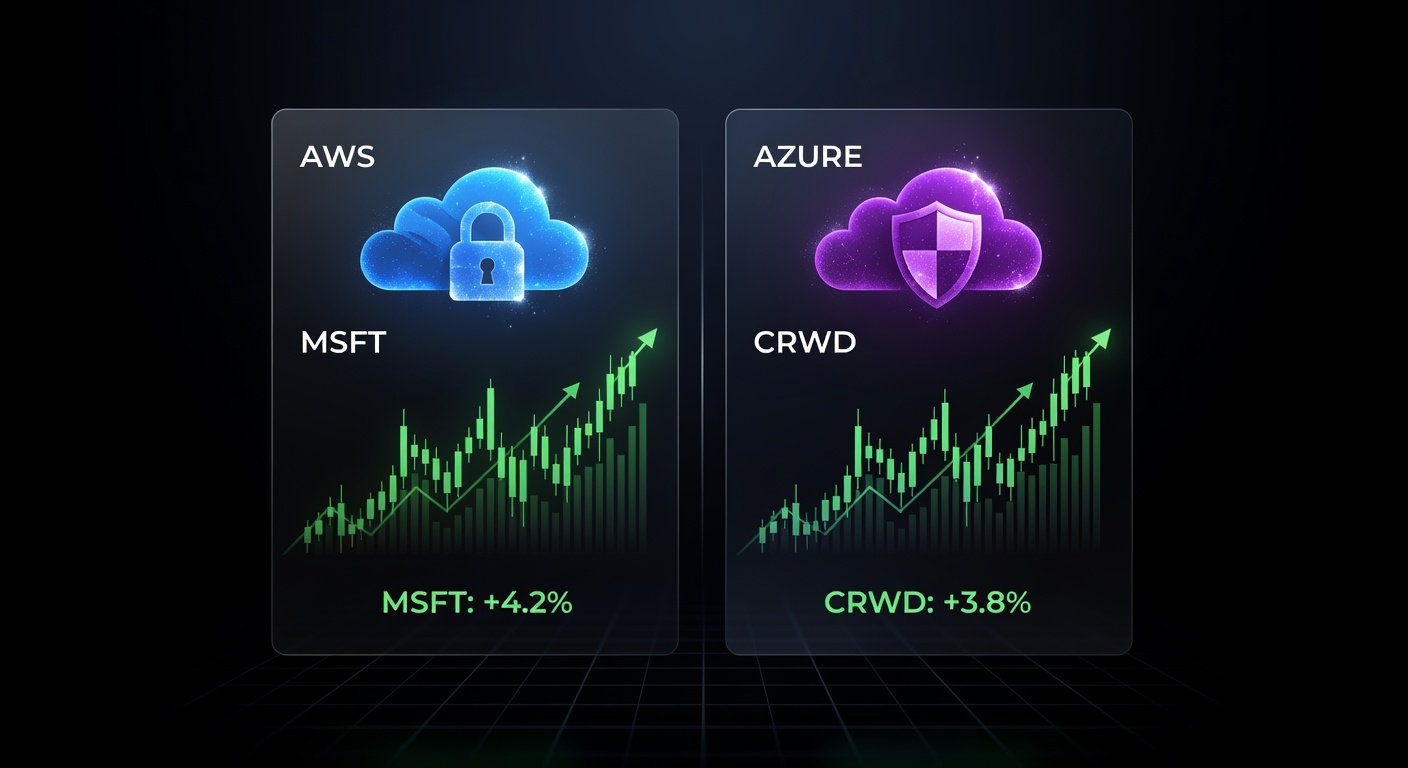
Head-to-Head Comparison: Which Sector Wins?
Cloud computing edges out with higher growth rates (20%+ vs. 13%) and larger addressable markets, but cybersecurity offers defensive stability amid volatility. Cloud revenues are more cyclical with capex, while cyber's recurring model shines in downturns.
| Metric | Cloud Computing | Cybersecurity |
|---|---|---|
| 2026 Market Size | $800B+ | $300B |
| CAGR to 2026 | 22% | 13% |
| Key Driver | AI/Edge | Threat Landscape |
| Risk Profile | Higher Volatility | Defensive |
Both benefit from synergies—cloud growth amplifies cyber needs. Investors should allocate 60/40 cloud/cyber for balanced exposure. For deeper analysis, visit Yahoo Finance.
Top Bullish Stock Picks in Cloud Computing
Microsoft (MSFT): Azure's 30% YoY growth outpaces peers, with OpenAI integration supercharging AI cloud. Projections: 15% revenue CAGR to 2026, trading at 35x forward earnings. Moat: Enterprise lock-in via Office 365.
Amazon (AMZN): AWS holds 32% market share, generating $100B+ annual run-rate. E-commerce synergies and cost optimizations position it for 20%+ growth. Undervalued at 40x earnings amid margin expansion.
Why Bullish?
- Analyst targets imply 25-40% upside.
- Diversified revenue reduces risks.
Premier Cybersecurity Stock Picks
CrowdStrike (CRWD): Falcon platform's AI-driven detection leads with 90%+ gross margins. Subscriptions hit $3B ARR, projecting 30% growth to 2026. Competitive edge: Cloud-native, module-based architecture.
Palo Alto Networks (PANW): Platformization strategy yields 25%+ growth, with $8B ARR. Strata and Prisma segments dominate NGFW and SASE. Trades at premium but justified by 40% FCF margins.
Investment Thesis
These picks boast 20-30% EPS growth, low debt, and buyback programs. Average upside: 30% per analyst consensus.
Actionable Insights for Investors
1. Diversify Across Sectors: Pair MSFT/CRWD for tech exposure without overconcentration.
2. Monitor Catalysts: Watch Q4 earnings for guidance beats; AI announcements could spike shares.
3. Risk Management: Use 5-10% portfolio allocation; set stops at 20% drawdowns.
4. Long-Term Hold: Compounding at 20%+ annually could double investments by 2028.
Position now for 2026 tailwinds—cloud scales the digital economy, cyber secures it. With macroeconomic recovery, these sectors offer resilient, high-beta returns.


No comments yet. Be the first!